


Does Your Dog Destroy All Their Toys? Causes and Practical Solutions
Have you just got home with a new toy and five minutes later it is already in pieces all over the living room? Take a deep breath. It is an incredibly frustrating situation and, on top of that, a worrying one. You invest in something to make them happy and not only does it last no time at all, it leaves you with the fear of "what if they have swallowed a bit?".
The first thing we want to tell you is that no, your dog is not a "hooligan" and is not doing it to wind you up. This behaviour, exasperating as it is, almost always has a logical explanation. It could be pure instinct, boredom, too much energy or even anxiety. The good news is that, once you understand the "why", you can start working on the "how" to fix it. Let’s get to it!

Why Does My Dog Destroy Every Toy? The 5 Main Causes
If you are wondering why your dog seems to be on a personal mission against every toy that comes into the house, the answer usually lies in one of these reasons:
-
Pure Canine Instinct: Sometimes the simplest explanation is the right one. Dogs, by nature, have a prey drive. Biting, shaking and "destroying" a toy is their way of channelling that hunting behaviour in a safe, controlled way. For them, it is a hugely satisfying and relaxing game!
-
Boredom or Lack of Stimulation: A bored dog is a creative dog, and not always in the way we would like. If they do not get enough physical activity or mental challenges during the day, they will find a way to entertain themselves, and their toys are the perfect target for burning off all that pent-up energy.
-
Separation Anxiety: For some dogs, being left home alone is a source of stress. Compulsive chewing is a mechanism they use to relieve that tension. If the damage happens mainly when you are out, it could be a sign that your dog needs professional help to manage their anxiety.
-
The Teething Stage in Puppies: If the "destroyer" is a puppy, they are very likely right in the middle of teething. Chewing everything they can get hold of relieves the pain and discomfort in their gums while their adult teeth come through.
-
Lack of Guidance and Training: If we have never taught our dog what they can and cannot chew, it is only natural that they do not know the difference. Training is key to setting clear boundaries and teaching them to redirect their chewing instinct towards the right objects.
Healthy Play vs. Destructive Behaviour: Where Is the Line?
It is crucial to tell the difference between a dog who simply plays with a lot of enthusiasm and one showing destructive behaviour.
-
Healthy Play is energetic but controlled. Your dog bites, shakes and has fun with their toy, but does not seem obsessed or anxious. The focus is on interaction and fun.
-
Destructive Behaviour tends to be more frantic and compulsive. The aim is not to play, but to annihilate the object as fast as possible. This behaviour often comes with signs of stress, frustration or boredom.
"My Dog Has Eaten a Piece of the Toy!" - What to Do
This is one of the biggest fears. If you suspect that your dog has swallowed part of a toy, here are the steps to follow:
-
Stay Calm and Observe: If the piece is small and your dog is behaving normally, keep a close eye on them over the next 24-48 hours. Watch out for any symptoms such as vomiting, lethargy, loss of appetite or difficulty passing stools.
-
DO NOT Induce Vomiting: You could do them more harm. Always consult a professional.
-
Contact Your Vet: At the slightest doubt, or if you notice any worrying symptom, call your vet. An intestinal blockage is a serious emergency and acting in time is vital.
Dukier Tip: Check your dog’s toys often. At the first sign of a tear or wear, it is time to take them away to avoid accidents.
Practical Tips to Stop Your Dog Destroying Their Toys
Now let’s get into action! Here are several effective strategies for redirecting that destructive energy.
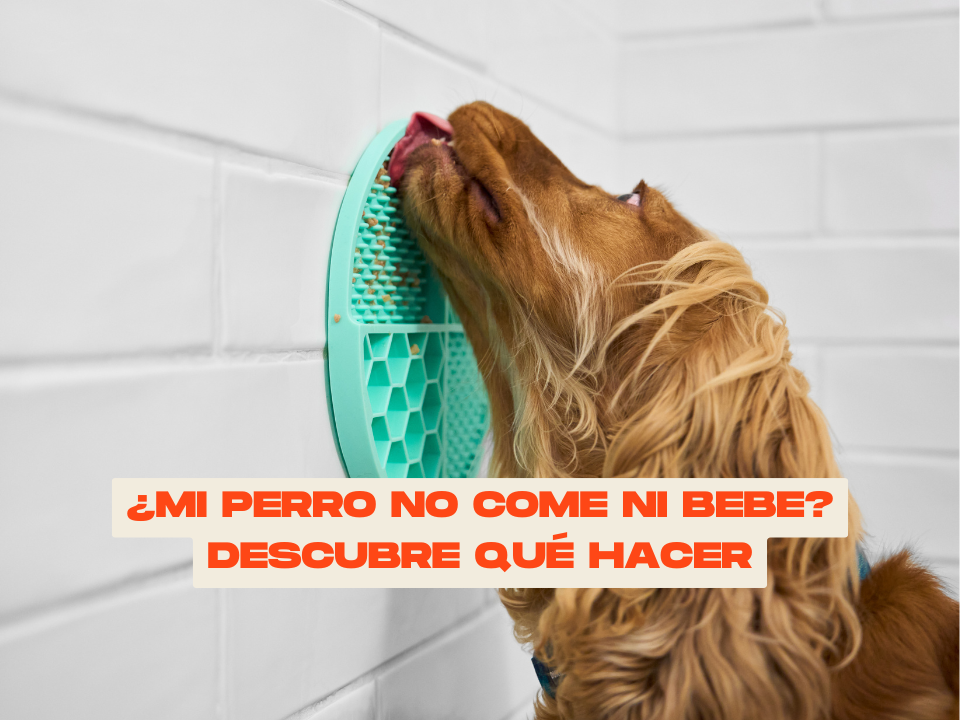
1. Choose the Right Toys Not all toys are the same. For a dog with a powerful jaw, you need to step things up. Look for toys designed specifically to be more hard-wearing. A great option is interactive or fillable toys, which challenge their mind and channel their need to chew in a constructive way. Enrichment tools such as Lick Mats are fantastic for reducing boredom and anxiety.
2. More Exercise and Mental Stimulation A tired dog is a happy dog (and a less destructive one). Make sure they get enough daily activity:
-
Quality Walks: It is not just about going out to do their business. Let them sniff, explore and run. A good walk with the right kit makes a big difference. If you are not sure what is best for your dog, you can read our post on harness or collar to make the best decision.
-
Scent Games: Hiding treats or using snuffle mats is an incredible way to tire out their mind. If you want ideas, do not miss our guide to scent games for dogs.
-
Training Sessions: Spending 5-10 minutes a day practising commands or teaching new tricks is fantastic mental stimulation.
3. Supervise and Teach Them How to Play At first, play with your dog and their new toy. If they start biting it too hard with the intention of breaking it, gently interrupt them with a "leave it" and redirect their attention to a calmer form of play, such as licking a fillable toy.
4. Rotate the Toys Do not leave all the toys out all the time. Put some away and rotate them every few days. This keeps the novelty factor and makes each toy more interesting when it reappears.

Understanding why your dog destroys their toys is the first step towards finding a solution that works for both of you. With patience, the right choice of toys and the right amount of exercise and stimulation, you will be able to enjoy much safer, longer-lasting playtime. And remember, a stimulating walk is key to a balanced dog, so make sure they have the best kit with our collection of dog harnesses.