



Dog Harness or Collar: Which is Best for Your Furry Friend?
Choosing between a harness or a collar for walking your dog is one of the most important decisions for their wellbeing. Both options have advantages, but there are also key factors you should consider before deciding. In this article, we'll help you understand which is the best option for your furry friend and how to make sure they enjoy comfortable, safe walks.
A classic debate: collar or harness?
The collar has been the traditional accessory for walking dogs for centuries, thanks to its practicality and ease of use. However, in recent years, harnesses have gained popularity for their benefits to a dog's health and control.
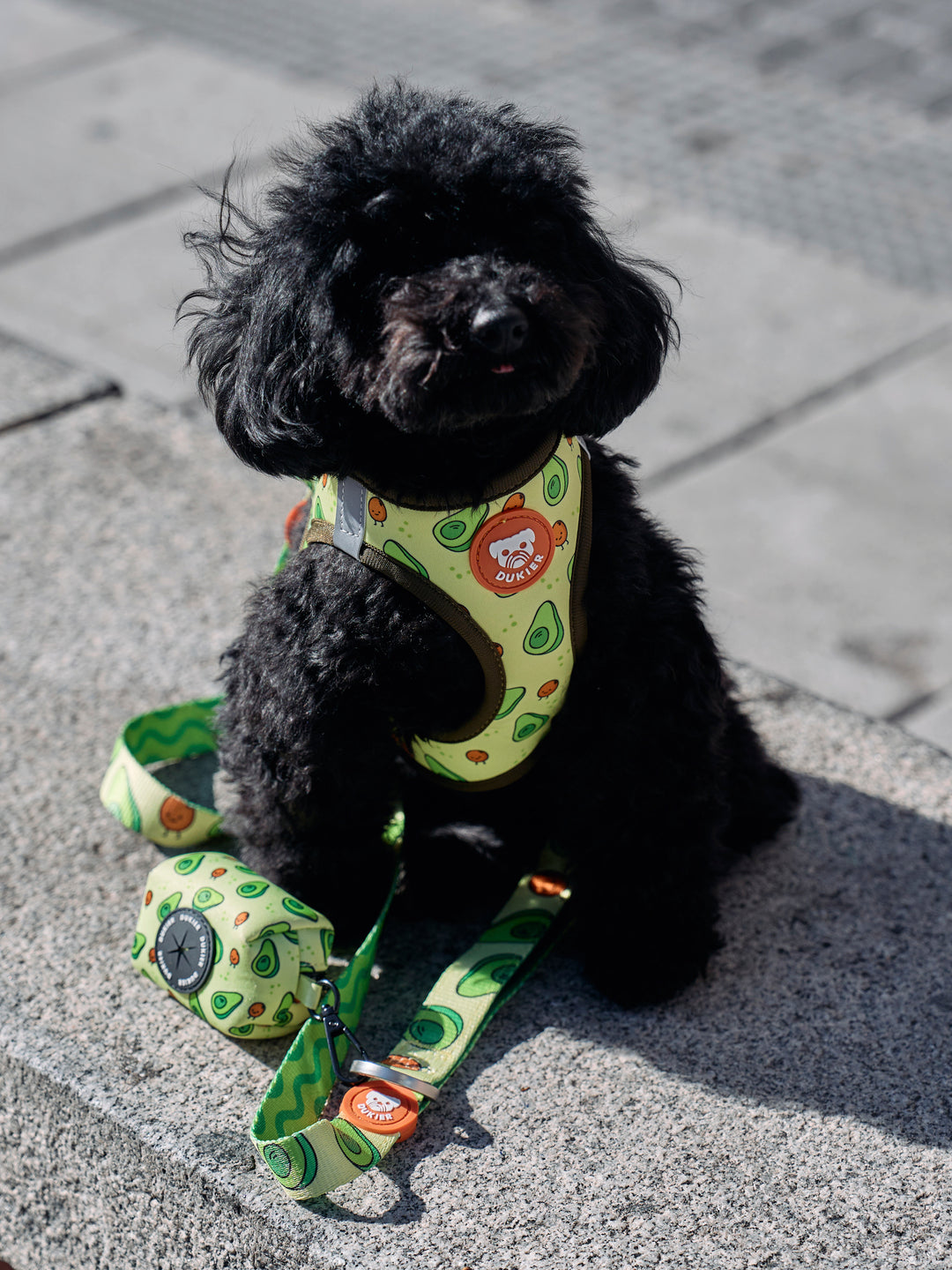
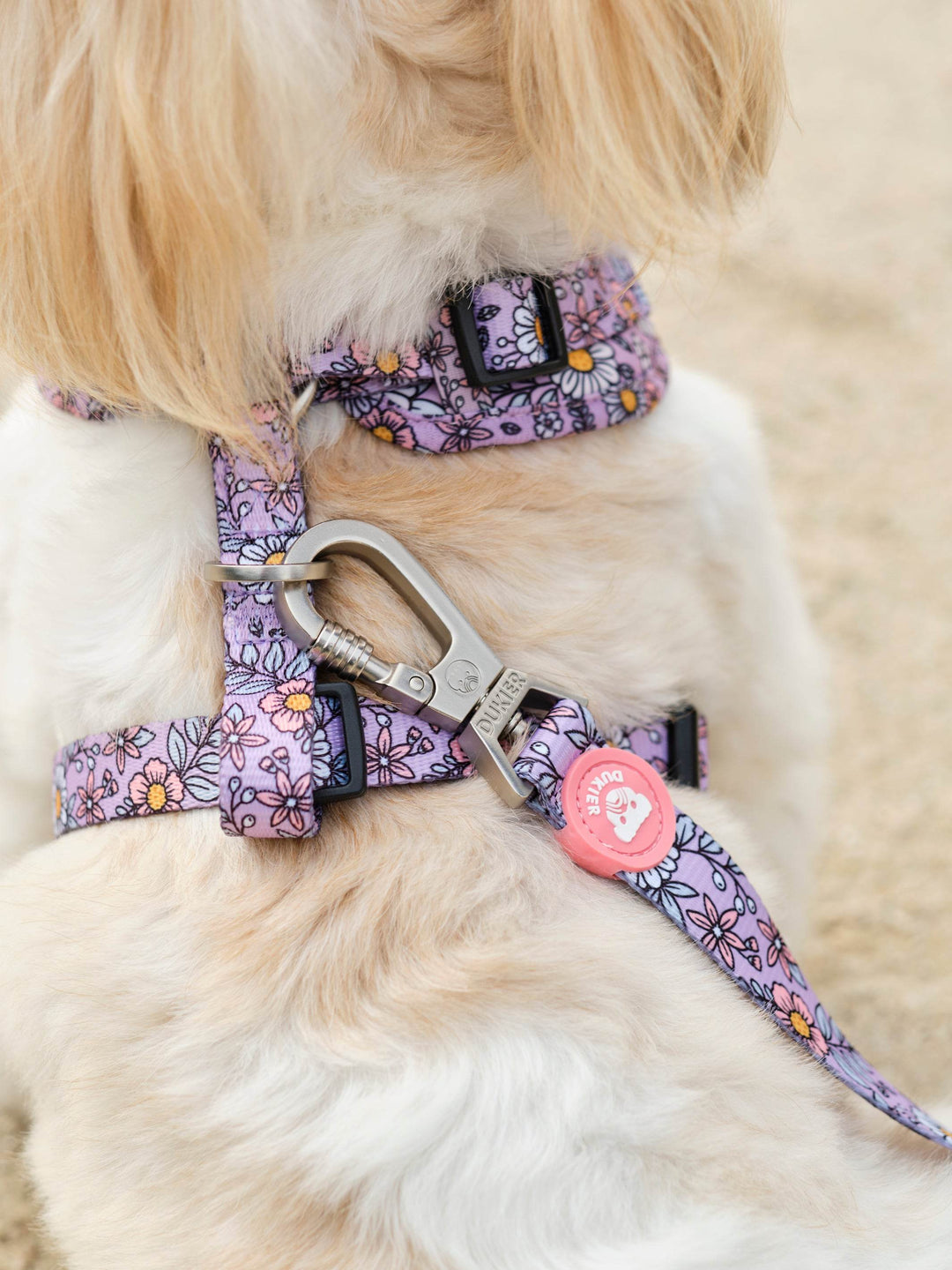
Nowadays, both collars and harnesses come in a wide variety of designs and materials, like those you'll find in Dukier's dog harness and collar collections.

When is it recommended to use a collar?
Although collars carry risks, in some cases they can be a valid option:
- Calm dogs: Dogs that don't pull on the lead usually adapt well to wearing a collar.
- Quick use: If you need a practical accessory for short walks or as a way to hang ID tags.
- Teaching harness use: If your dog is scared of the harness, a collar can be useful during the positive association process.
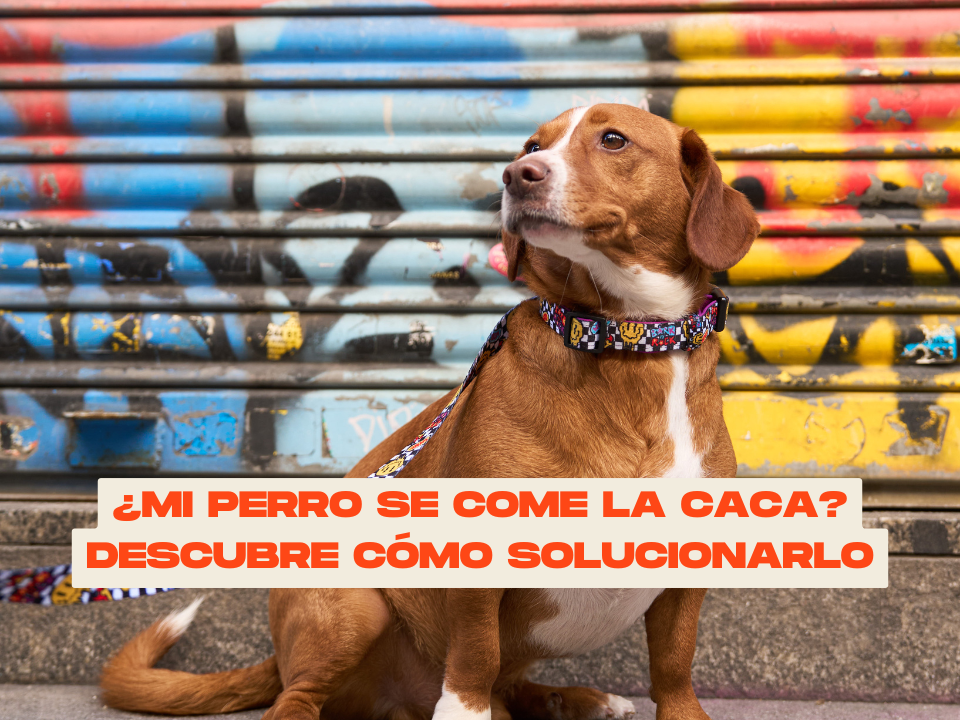
Remember that not all collars are the same. Designs like those in Dukier's collar collection are made to combine style and functionality, without compromising your pet's wellbeing.
The benefits of dog harnesses
Harnesses are a safer, more comfortable option in most cases, especially for active dogs or those that tend to pull on the lead.
To dive deeper into this topic, check out our article on what type of harness to choose for your dog.
Main advantages:
- Distribute pressure evenly: They reduce impact on the neck, protecting the trachea and cervical vertebrae.
- Greater control: Especially useful for large or strong dogs.
- Prevent injuries: They're ideal for brachycephalic dogs, such as bulldogs, who have breathing issues.
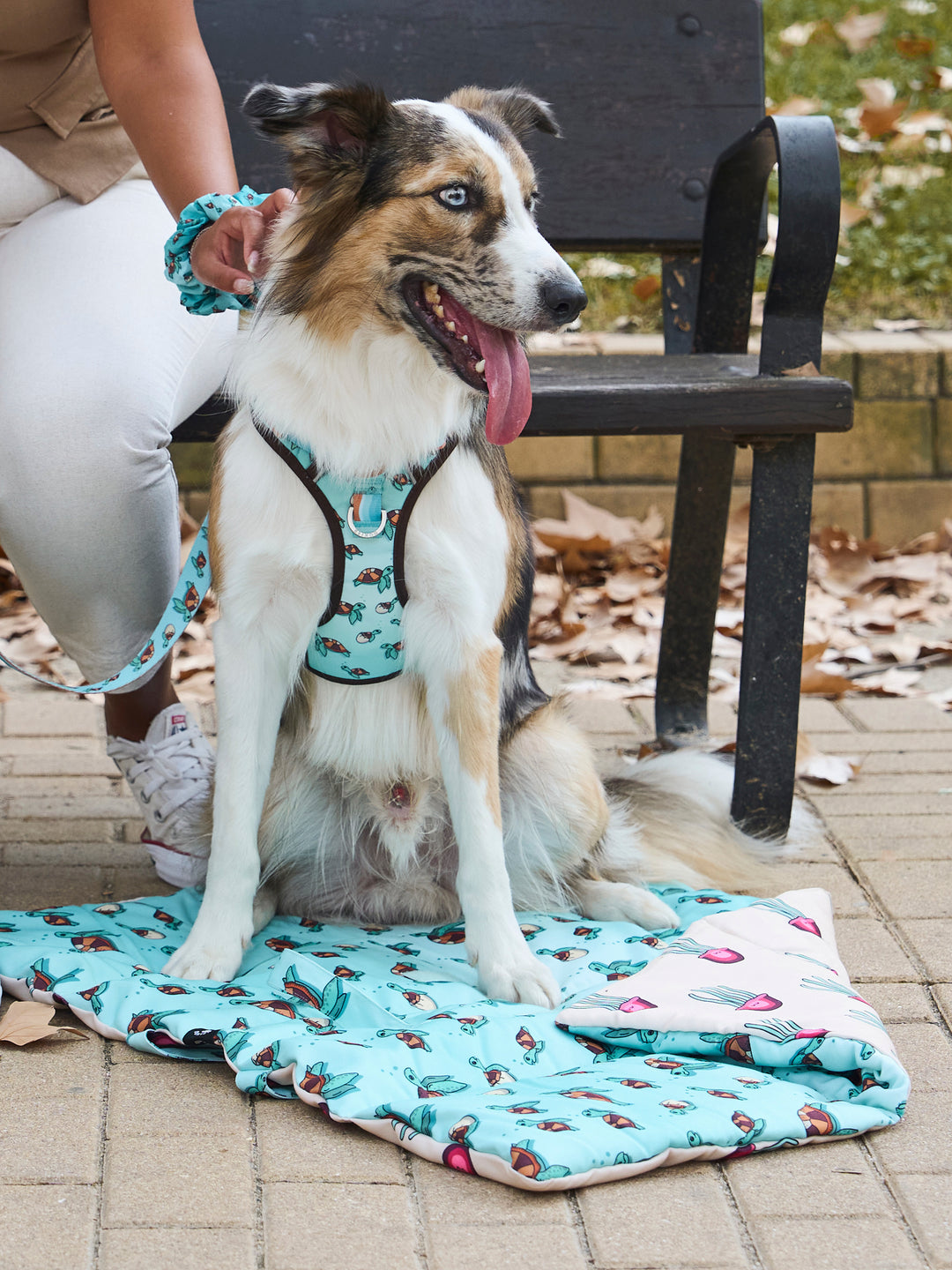
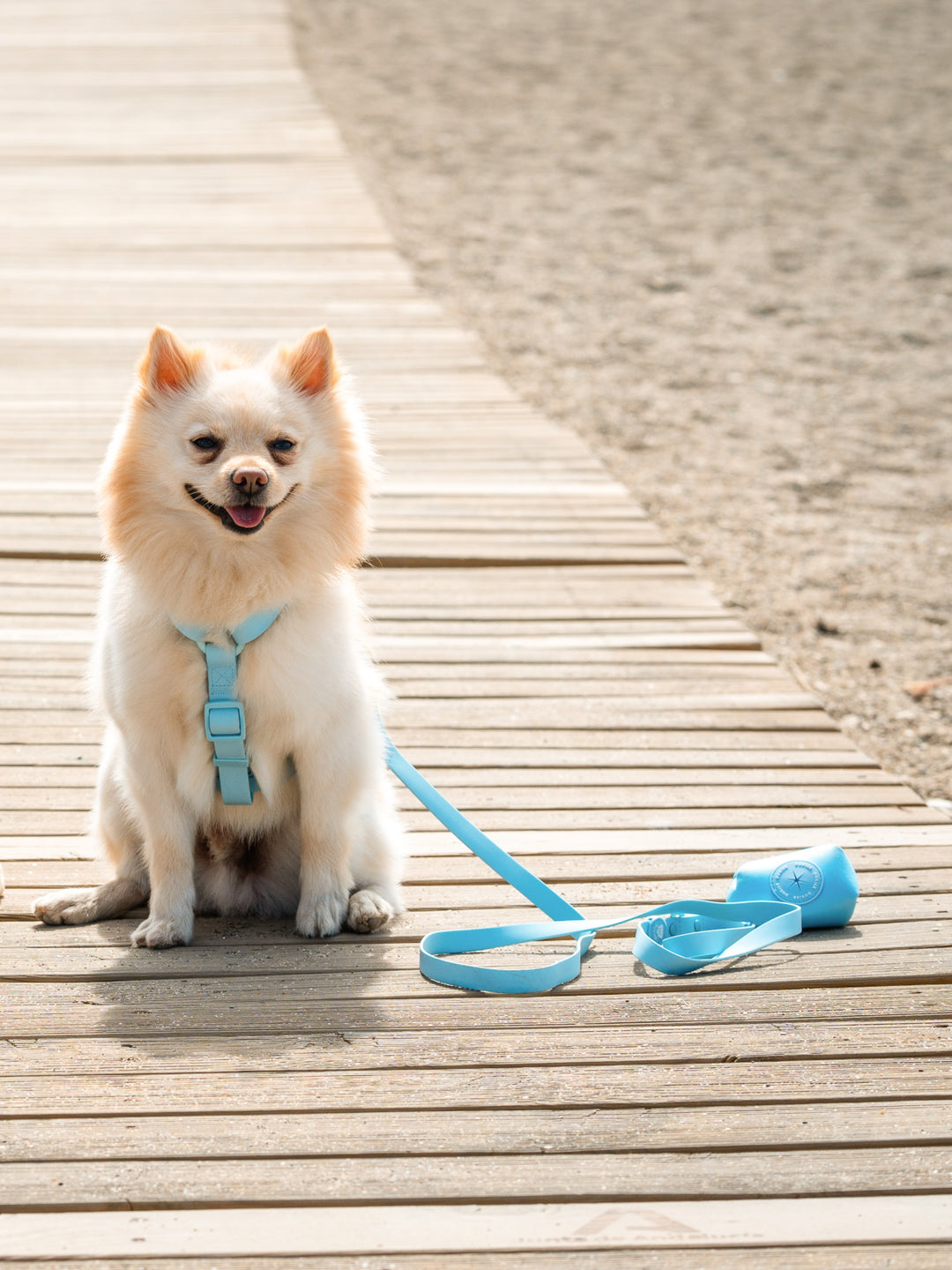
Dukier's harness collection includes ergonomic, functional designs that fit your dog's anatomy perfectly.
Reasons to avoid harmful collars
Not all collars are safe. Under Spain's Animal Welfare Act (Law 7/2023), choke, prong and electric shock collars are banned due to the risks they pose:
- Physical injuries: They can damage the trachea, vertebrae and nerves.
- Emotional impact: They cause fear and stress, and can lead to behavioural problems.
Choosing products designed with love and respect for animals, like those from DUKIER, guarantees your furry friend's safety and comfort.
How to choose the right harness for your dog
Not all harnesses are the same. When choosing one, make sure it meets these criteria:
- "Y" or "H" design
- Leaves the shoulder blades free to allow natural movement.
- Avoid designs that block the shoulders or restrict mobility.
- Perfect fit
- A good harness should fit snugly without being too tight. You should be able to fit two fingers between the harness and your dog's body.
- Sturdy, comfortable material
- Choose soft materials that prevent chafing, but sturdy enough for everyday use.
- Easy to put on
- Models with side or adjustable buckles make putting the harness on quicker and more comfortable for both you and your dog.
DUKIER's harnesses are designed to fit your dog perfectly, offering comfort and style on every walk.
Practical tips for a pull-free walk
The harness or collar are just tools; a successful walk depends on how you handle it. Here are a few tips:
- Make the walk a positive moment for your dog. The key is to avoid anxiety and make the walk an enjoyable experience. In this article you'll find useful tips to improve your walking experience.
- Teach your dog to walk without pulling using positive reinforcement. Use treats and praise to reinforce good behaviour.
- Combine relaxed walks with time to explore and sniff. Dogs love using their sense of smell to discover the world, so let them enjoy the walk!

Harness or collar: the importance of personalisation
There's no one-size-fits-all answer. The choice between harness and collar should be based on your dog's specific needs:
- Is your dog active and pulls a lot on the lead? A harness is the best option.
- Is your dog calm and walks without issue? A comfortable collar may be enough.
Always remember to prioritise their comfort and wellbeing.
Harness or collar, always with their wellbeing in mind
In most cases, harnesses are a safer, more comfortable option for walks. However, both the harness and the collar can be effective tools if chosen correctly and used responsibly.
Explore DUKIER's dog harness collections and collars to find the perfect accessory that combines style, functionality and the care your furry friend deserves.