


Why Does My Dog Stare at Me? Decoding Their Eye Language
We're sure that more than once you've locked eyes with your dog's intense stare and wondered: what could they be thinking? Unlike humans, who from a young age are taught that staring can be rude, our canine friends use eye contact as one of their most important communication tools. That penetrating gaze can mean many things, and understanding it is key to strengthening your bond.
In this article from Dukier, we'll explore the reasons behind those fixed stares and how to interpret them to improve communication with your furry friend. As canine behaviour experts point out, a stare can be "a sign of affection, a way of seeking attention or communicating a need, or a way of figuring out what's going on." Join us as we decode this fascinating language!

7 Common Reasons Why Your Dog Stares at You
A dog's gaze is a window into their emotions and intentions. Here we reveal some of the most common reasons:
-
They're After Your Attention (and Sometimes Something More!): Does that intense stare appear just when you're eating something delicious, or when it's walk time? Dogs quickly learn that staring at you (often with those irresistible "puppy dog eyes") is an effective way to grab your attention and, hopefully, get what they want: a bit of food, a cuddle, you throwing their favourite toy, or grabbing the Dukier leash to head out. 👉 Dukier Tip: If you don't want to encourage them to constantly beg with their eyes, try not to give in every time, especially with food from your plate. Reward them when they ask more calmly.
-
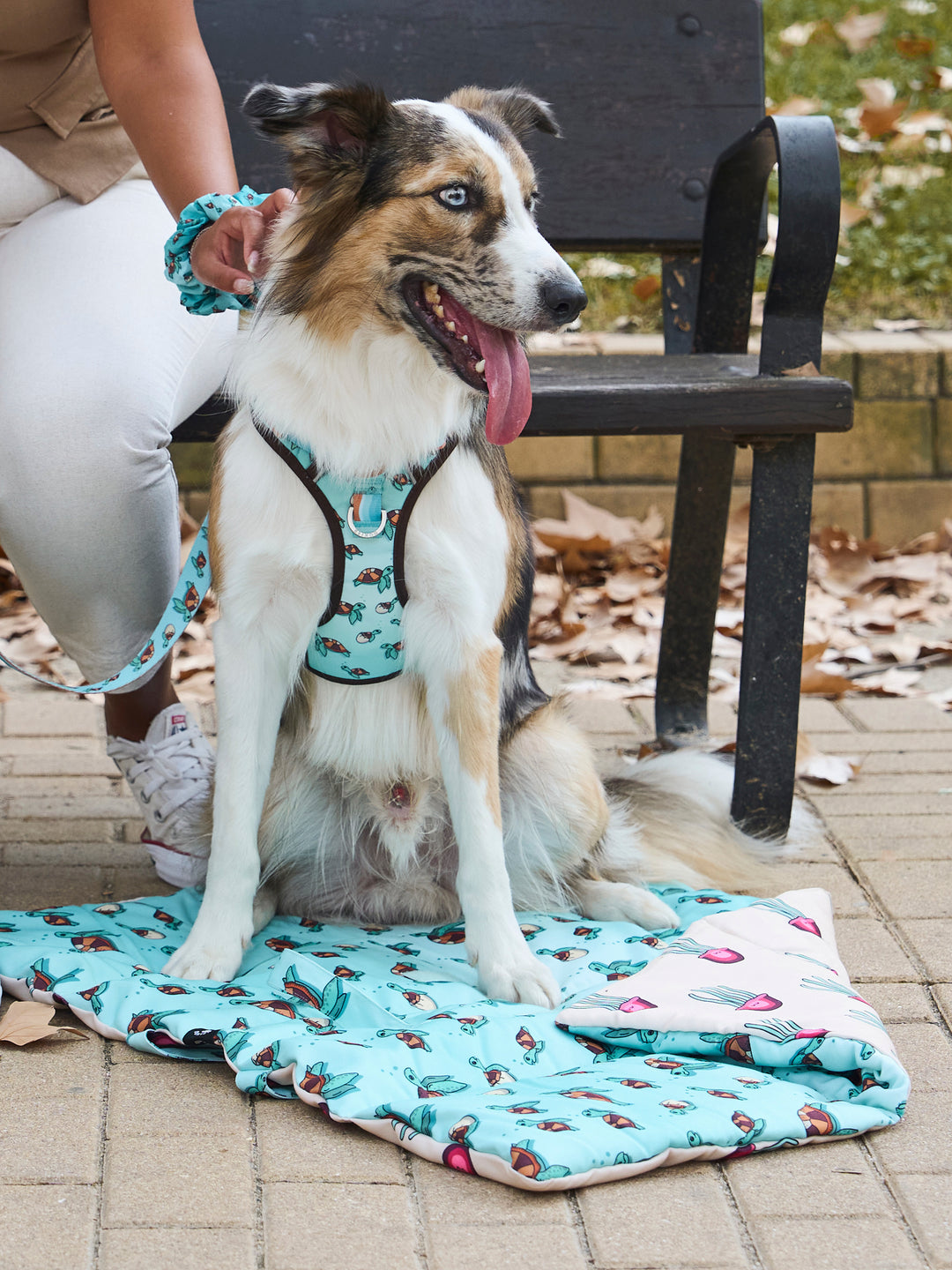
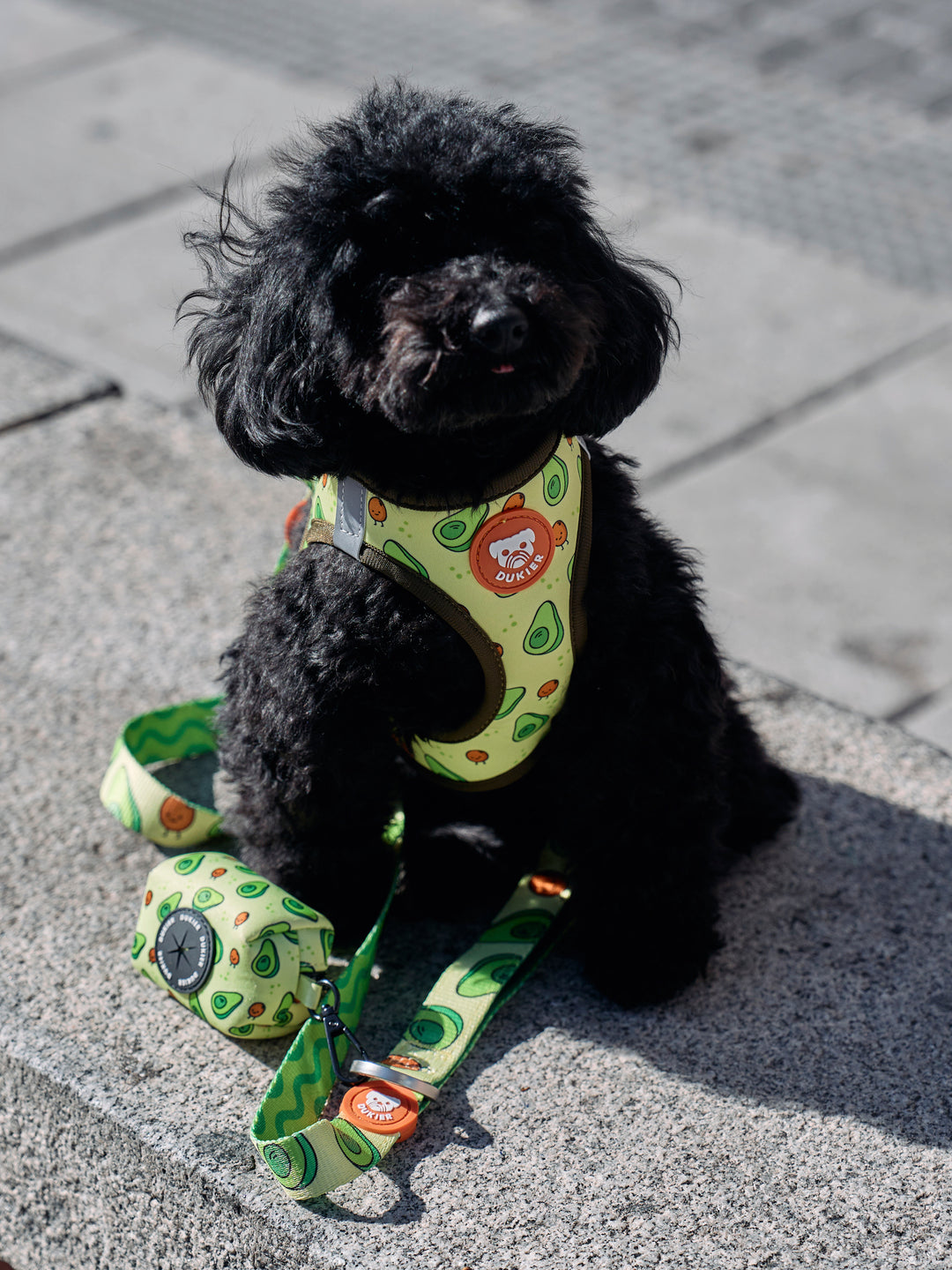
They're Trying to Understand You or Anticipate Your Movements: Your dog watches you closely to work out your intentions. They might stare at you when you're getting ready to go out, waiting to see if you grab their favourite Dukier harness, or while you're talking, trying to understand your words and tone. They're constantly analysing our body language and routines to figure out what's coming next.
-
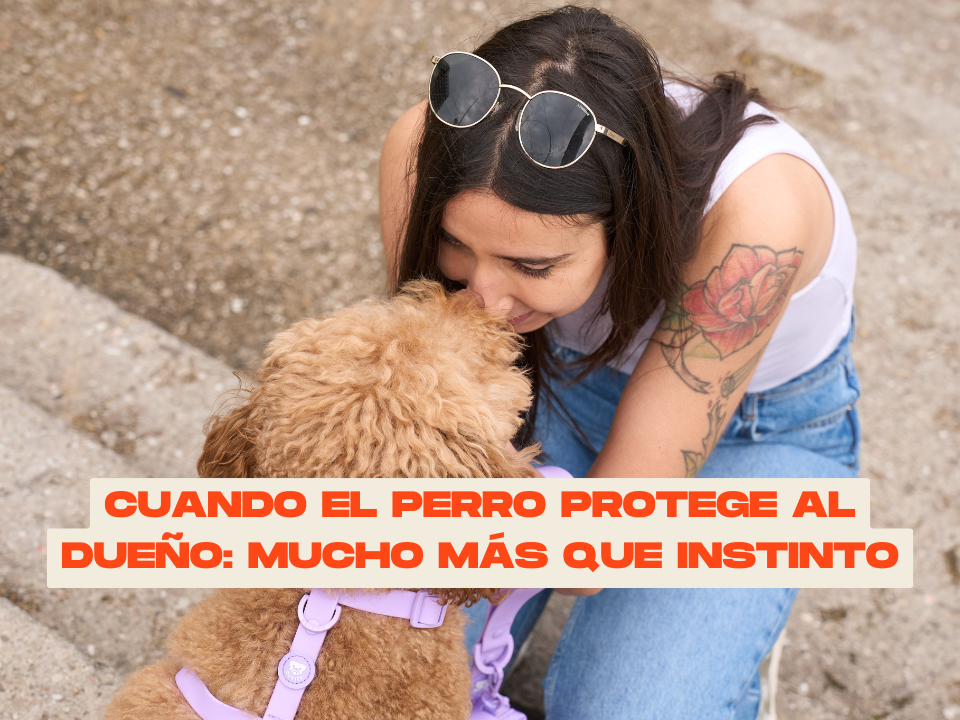
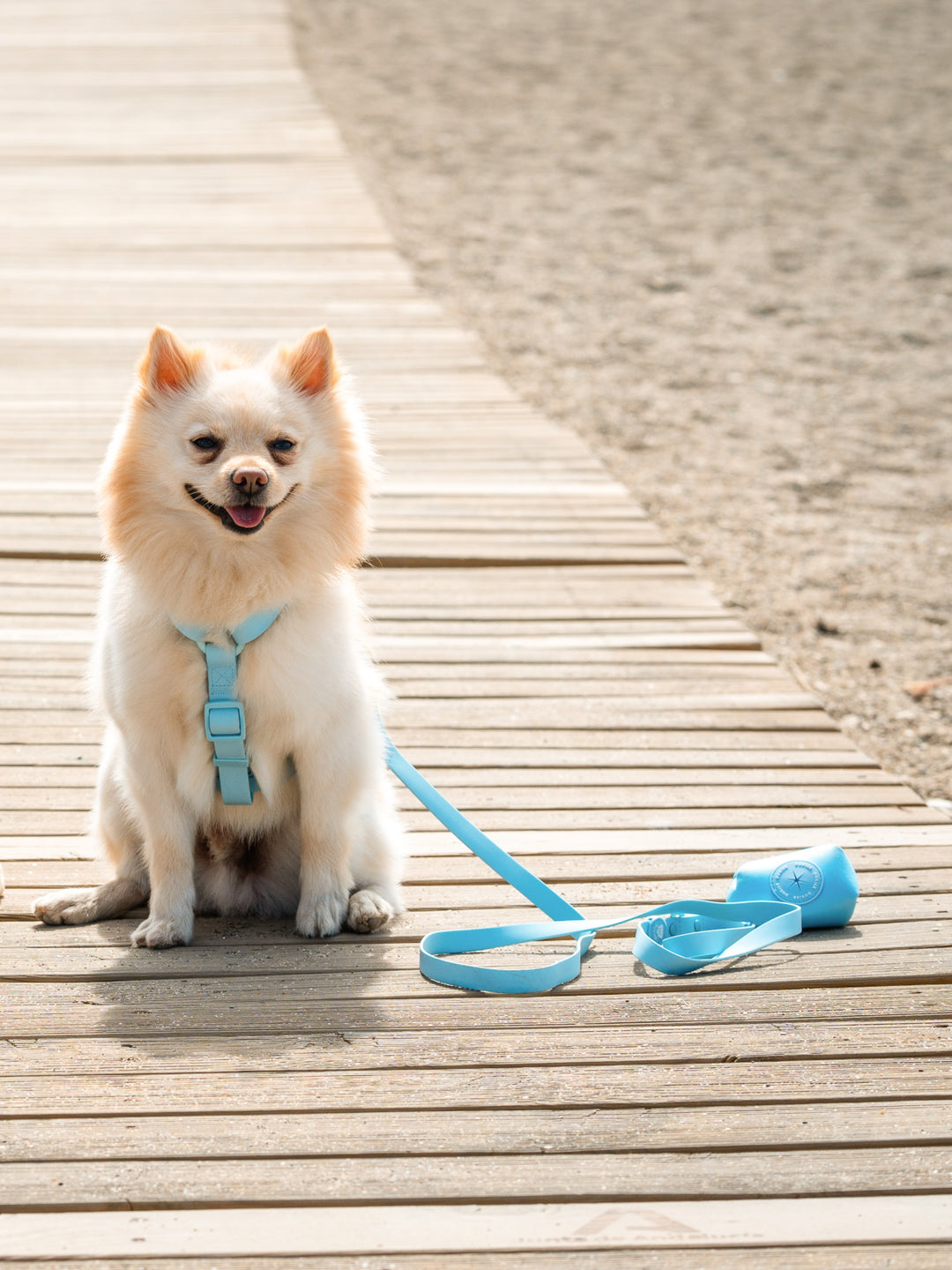
They're Showing You Affection and Trust: Not every fixed stare is a request for something. A soft gaze, with a relaxed body, ears in a natural position and perhaps a slow blink, is often a deep expression of love and trust. It's their way of saying "I love you" and "I feel safe with you." This type of eye contact strengthens your bond.
-
They're Confused or Trying to Process Information: Sometimes, if you give a new command, or if there's something in the environment they don't understand, your dog might stare at you as if to say: "What does that mean?" or "What am I supposed to do?" It's a sign they're trying to process the situation.
-
It's Part of Their Nature (Domestication and Breed): As a result of thousands of years of domestication, dogs have learnt that eye contact with humans is an effective form of communication. Some research even suggests that certain breeds, especially those with shorter snouts (brachycephalic breeds), may be more prone to seeking eye contact.
-
Interacting with Strangers (Dogs or People): When your dog meets a new canine friend or a person, eye contact is part of the greeting and assessment ritual. A confident dog may hold the gaze, while a shyer or more submissive one might look away. A friendly, curious gaze is a good sign during these interactions.
-
A Warning Sign, Stress, or Resource Guarding: Careful here! Not every fixed stare is friendly. A hard stare, combined with a tense body, ears back, raised hackles, bared teeth or growling, is a clear warning sign. They may feel threatened, or be guarding their food, a toy, or their Dukier bed. In these cases, prolonged eye contact can be seen by the dog as a challenge. 👉 Dukier Tip: If you spot these signs, don't hold their gaze. Look away and give them space. If this behaviour happens often, consider consulting a professional behaviourist or trainer.
The Power of Eye Contact: Good for Both of You?
Absolutely! When eye contact is positive and relaxed (that tender gaze we mentioned earlier), oxytocin is released in both you and your dog. This is the famous "love hormone," which plays a crucial role in creating and maintaining emotional bonds. So yes, those loving, mutual gazes make you both feel good and strengthen your special connection.
Should I Stare Back at My Dog? The Key Lies in Their Body Language
Not all dogs feel comfortable with prolonged, direct eye contact from humans. For some, especially those with a history of mistreatment or a more fearful nature, it can feel intimidating.
The key is to observe your dog's full body language:
- Signs that they're comfortable and receptive: Relaxed body, a tail that moves gently (or sits in a neutral, relaxed position), ears in a natural position, mouth slightly open and relaxed, soft blinking. In this case, returning a tender, calm gaze is perfect.
- Signs of stress or discomfort: Looking away, repeated yawning, lip licking, tense or stiff body, ears pulled back, raised hackles, showing the whites of the eyes (whale eye). If you notice these signs, it's best to gently look away, blink, turn your head slightly, or even step back to give them space and avoid raising their tension.

Strengthening the Bond Beyond the Gaze
Understanding why your dog stares at you is just one part of the wonderful communication you can share. Here are a few ideas to keep strengthening your bond:
- Calm Cuddle and Gaze Sessions: Spend a few minutes each day simply being with your dog, giving them gentle strokes while exchanging relaxed gazes.
- Interactive Play: Playing together with their favourite toys is a fantastic way to connect.
- Positive Training: Training sessions based on positive reinforcement don't just teach new skills — they also improve your mutual communication and understanding.
- Quality Walks: Enjoy walks where they can sniff and explore, but also practise walking with a loose leash while paying attention to your cues. A good harness like those from Dukier will ensure their comfort and your control.
In short, your dog's gaze is a rich source of information. Learning to interpret it, always within context and alongside their body language, will help you understand them much better and respond to their needs more effectively. Enjoy decoding your best friend's language!