


Complete Guide to Socialising Your Dog: Steps for a Happy, Fearless Life
Having a dog is an incredible adventure, and one of our biggest wishes as owners is for them to be happy, sociable and confident. We want to be able to take them to a café terrace, have them enjoy walks in the park, and interact with other dogs and people without fear or stress. The key to all of this has a name: socialisation.
But what exactly is it, and how do you do it right? Socialisation is the process of gradually and positively introducing your dog to all the sounds, smells, places and living beings they'll share their life with. It's essential for preventing behavioural problems and fears in the future.
Whether you've got a puppy ready to discover the world or you've adopted an adult dog with an uncertain past, this guide will give you the steps to help them build the confidence they need.

The Pillars of Good Socialisation
For your dog to be a well-balanced animal, they need to become familiar with different stimuli in a positive way. We can group these into 5 key categories:
- Other Dogs: Encourage controlled meetings with calm, sociable dogs. Learning canine language from other well-balanced dogs is one of the most valuable lessons they'll receive.
- People: Help them understand that people (tall, short, wearing hats, wearing glasses...) aren't a threat. Positive interactions with friends, family and friendly strangers are essential.
- Other Animals: If possible and safe, exposing them to other animals such as cats or birds from a distance can help reduce their prey drive and make future cohabitation easier.
- Environments and Places: The world is huge! Get them used to the city, the countryside, car journeys, other people's homes... The more places they experience positively, the fewer insecurities they'll have.
- New Noises and Situations: Traffic sounds, a vacuum cleaner, a distant thunderstorm... Exposing them to different noises in a controlled way will help prevent them from developing phobias.
How to Socialise a Puppy: The Golden Stage
The first few months of life (up to around 16 weeks) are the "sensitive socialisation period". Your puppy's brain is like a sponge, soaking up everything around them. This is the most important time to lay the foundations for a confident adult dog.
- Positive Interactions: Make sure their first encounters with other dogs and people are always safe and positive. Avoid rough dogs or people who don't respect their space. A bad experience at this stage can leave a lasting mark.
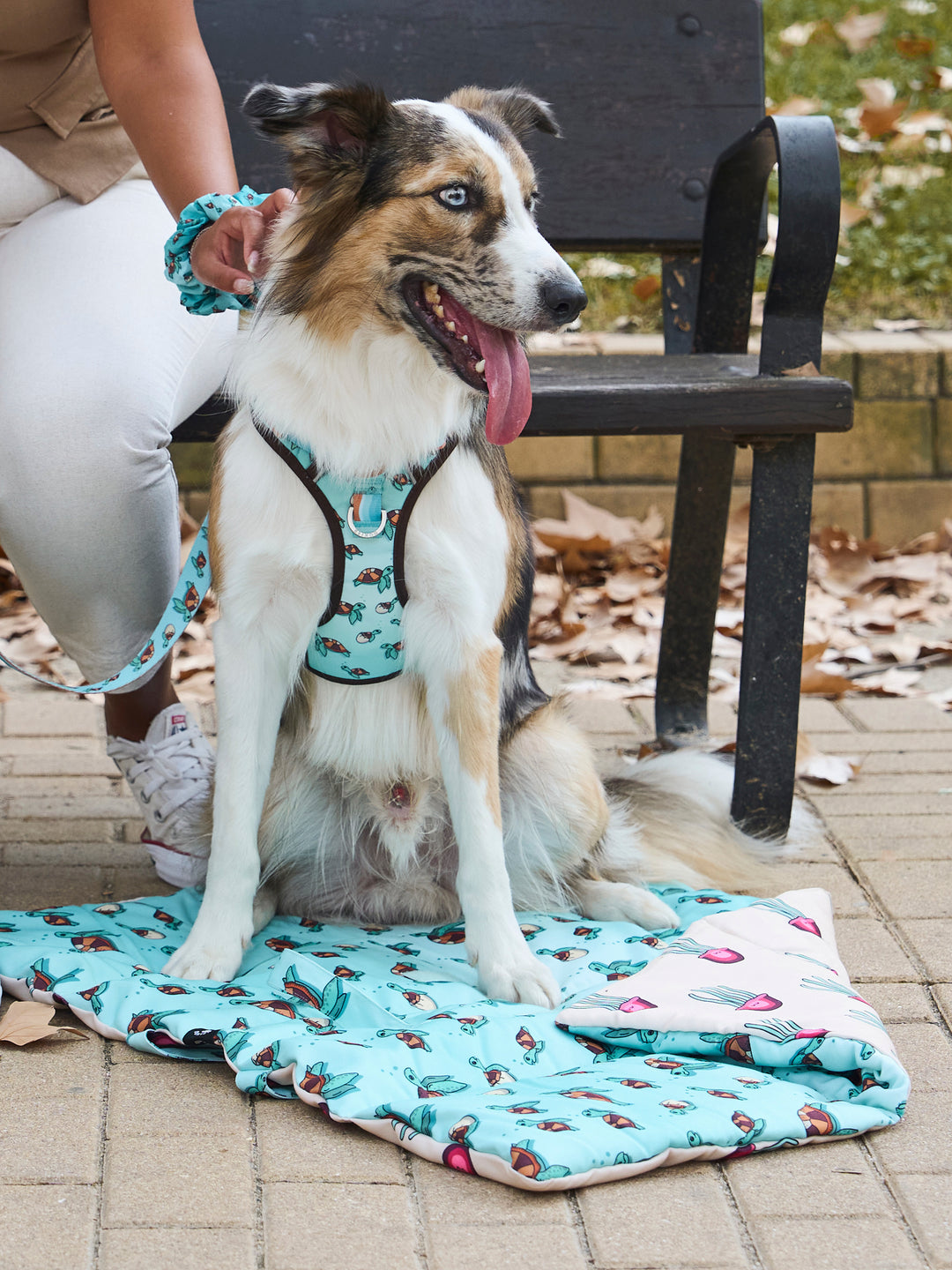
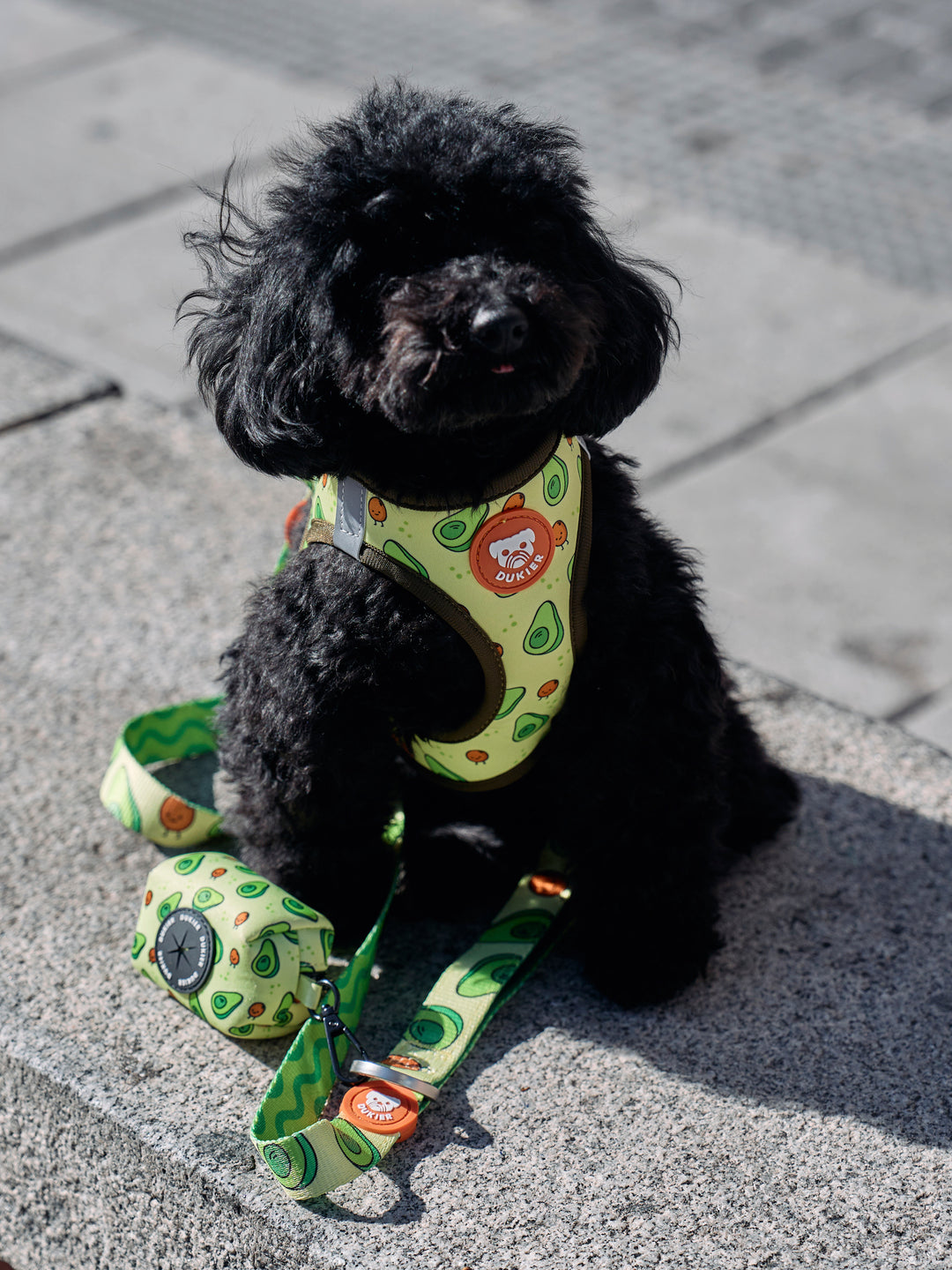
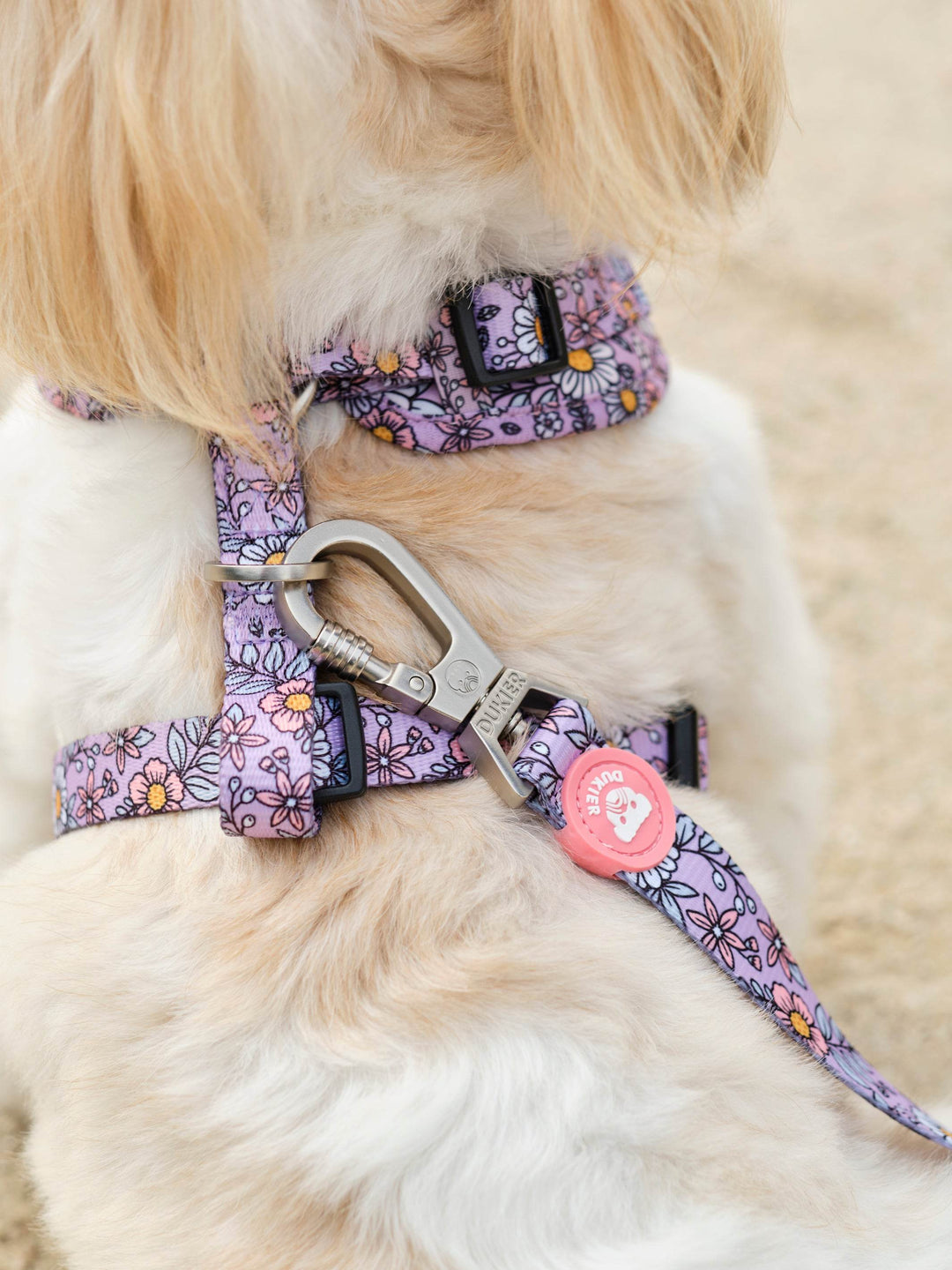
- Discovering Their Surroundings: Take them out for walks with a comfortable, safe dog harness. Bring them to different places: busy streets, quiet parks, pet-friendly shops... Let them explore at their own pace.
- Puppy Classes: These provide a fantastic controlled environment for them to learn how to interact with other puppies and people under professional supervision.
How to Socialise an Adult Dog: Patience and Positivity
Socialising an adult dog, especially one with fears or an unknown past, is entirely possible, but it requires more patience, empathy and a different strategy. Here, the golden rule is: quality over quantity.
- Take It Slow: Exposure should be very gradual. Don't force it. If your dog is afraid of other dogs, start simply by having them observe from a distance where they feel safe, and reward them for staying calm.
- Create Positive Associations: The goal is to change their emotional perception. If something scares them, pair it with something they love (their favourite treats, cuddles, a soft tone of voice).
- Avoid "Flooding": Never force your dog to confront their fears all at once. Forcing them into a situation that terrifies them ("flooding") doesn't just fail to work — it can make the problem worse and damage your bond.
- Seek Professional Help: If you're dealing with deeply rooted fears or aggression issues, don't hesitate to contact a dog trainer who uses positive reinforcement methods. It's the best investment you can make in your dog's wellbeing.

Extra Tips from Dukier for Successful Socialisation
- Be Their Safe Harbour: Stay calm and give off a sense of reassurance. If you're nervous, they'll pick up on it. You're their point of reference.
- Learn to Read Their Body Language: Understanding when they're uncomfortable, stressed or about to react will allow you to step in and remove them from a situation before it becomes a problem.
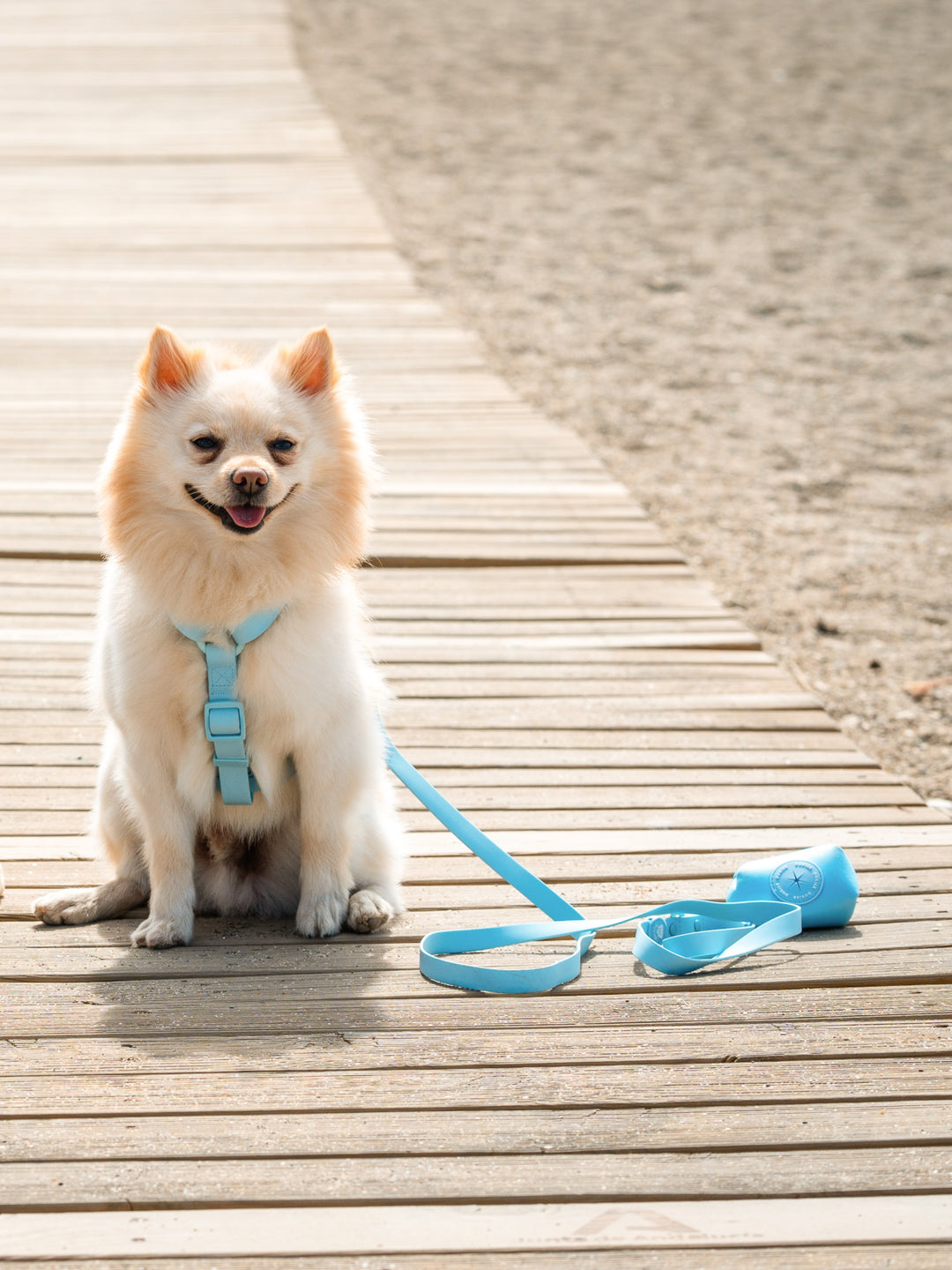
- Quality Walks: A walk isn't just for doing their business. It's an opportunity to explore, sniff around and burn off energy. A stimulated, tired dog is a more receptive, less reactive dog. Equip yourself with good dog leashes that give you confidence and control.
- Patience, Patience and More Patience: Every dog is different and has their own pace. Celebrate the small victories and don't get discouraged if there are setbacks.
Socialisation isn't a test you pass once — it's an ongoing process throughout your dog's life. Giving them the tools to face the world with confidence is one of the greatest gifts you can give them.