



10 tips for travelling with your dog this summer
Travelling with your dog can be a beautiful experience full of unforgettable moments, but it can also bring a few challenges. Here at Dukier we want to give you some tips so that the trip with your furry one becomes a calm and lovely experience for you both.

General tips for every form of transport
Keep your dog identified
Make sure your dog wears an ID tag with his name and a phone number. If he gets lost, this makes it easier for people to get in touch with you and for your furry one to find his way home. Remember, too, that a microchip is compulsory for dogs, as it serves as legal recognition that your furry one is a member of your family. It is also the most effective and reliable way of identifying him if he gets lost or runs off.
Take a travel kit
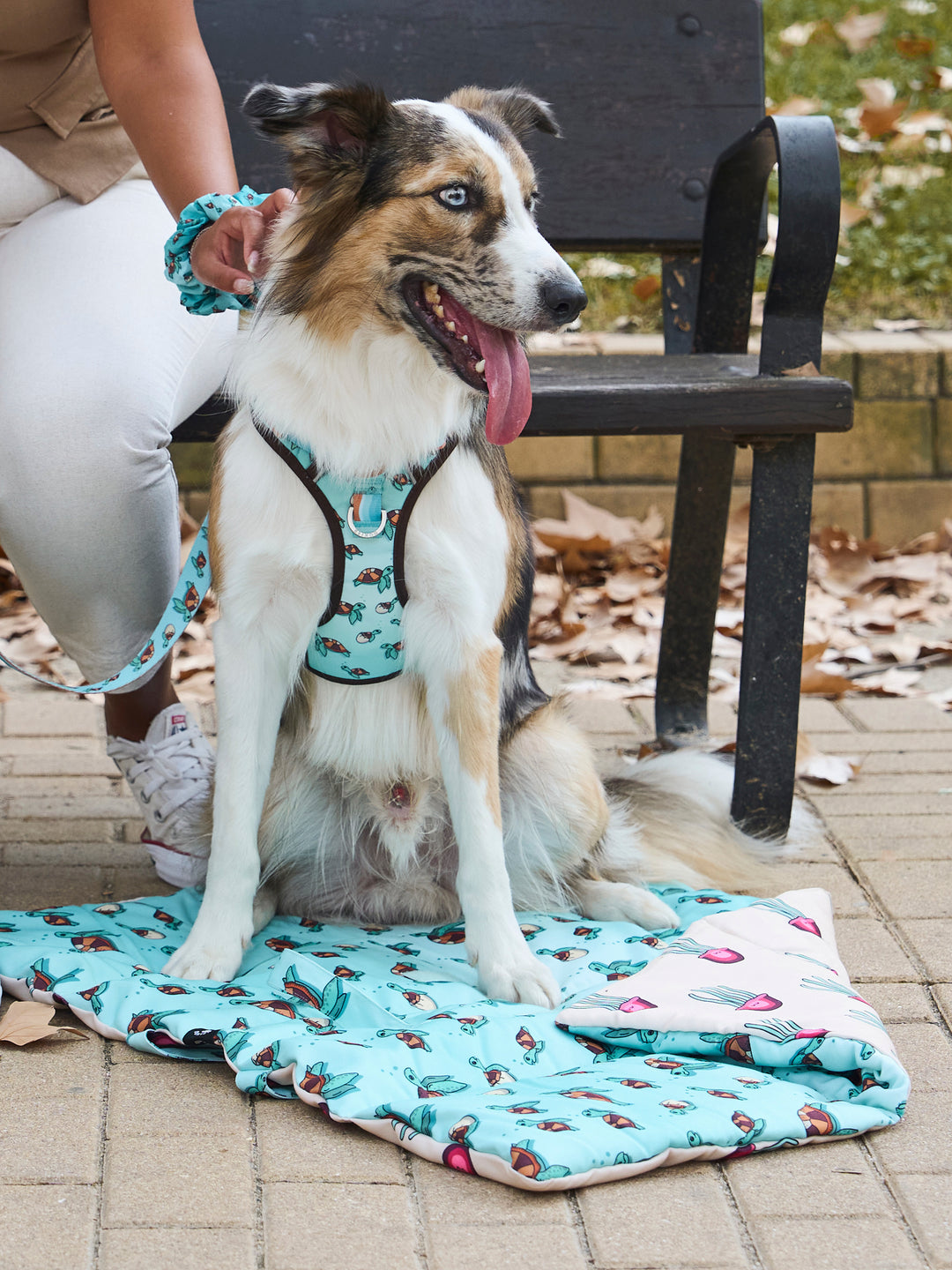
To help your dog feel more comfortable and secure during the trip, pack a bag with the essentials: food, water, toys, bags and a blanket. Put together the perfect kit for your trip with our roll-up blankets, so your furry one is comfy wherever you go, and keep him hydrated with the folding water bowls, perfect for taking everywhere.
Use comfortable accessories for your dog
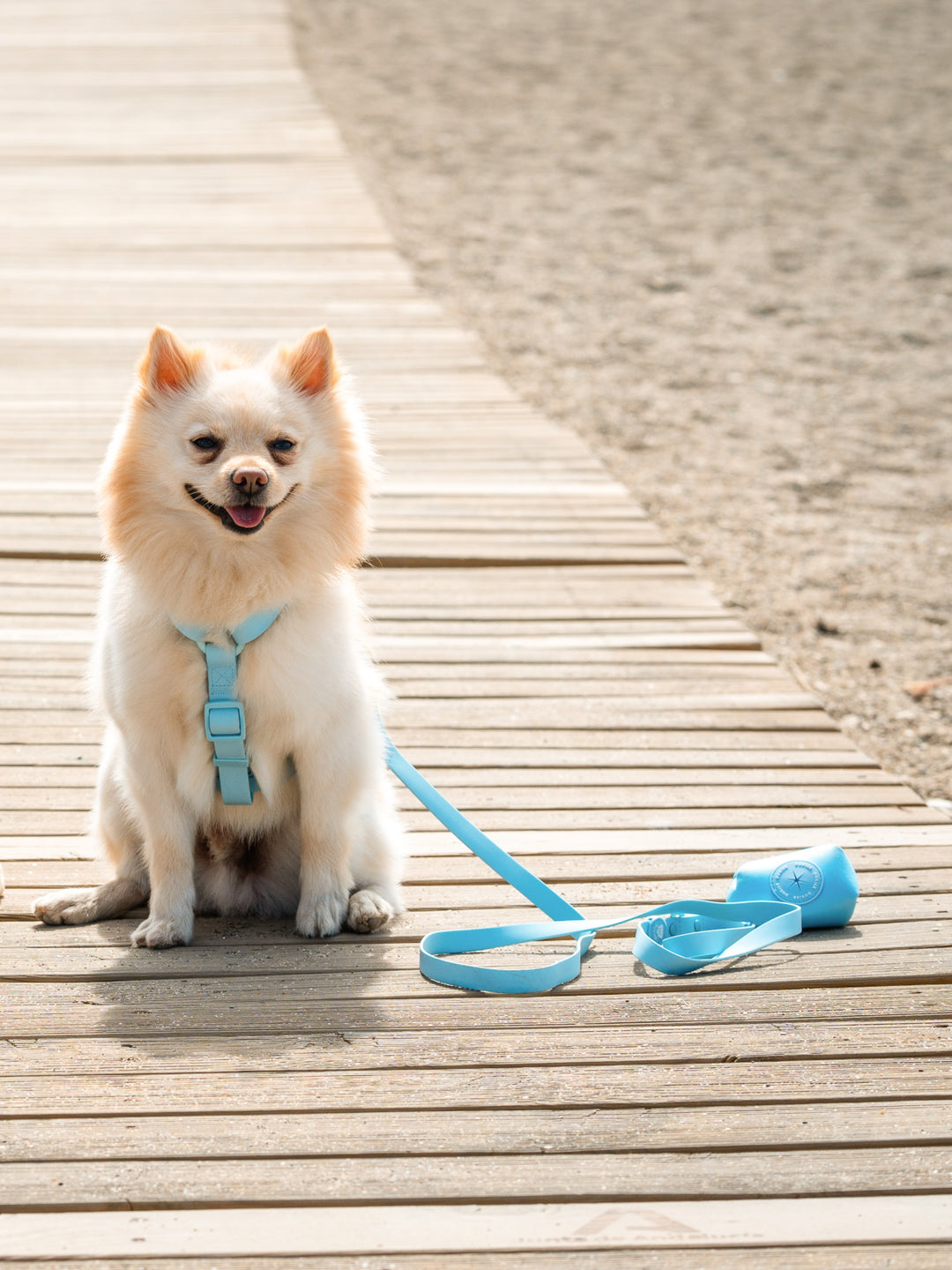
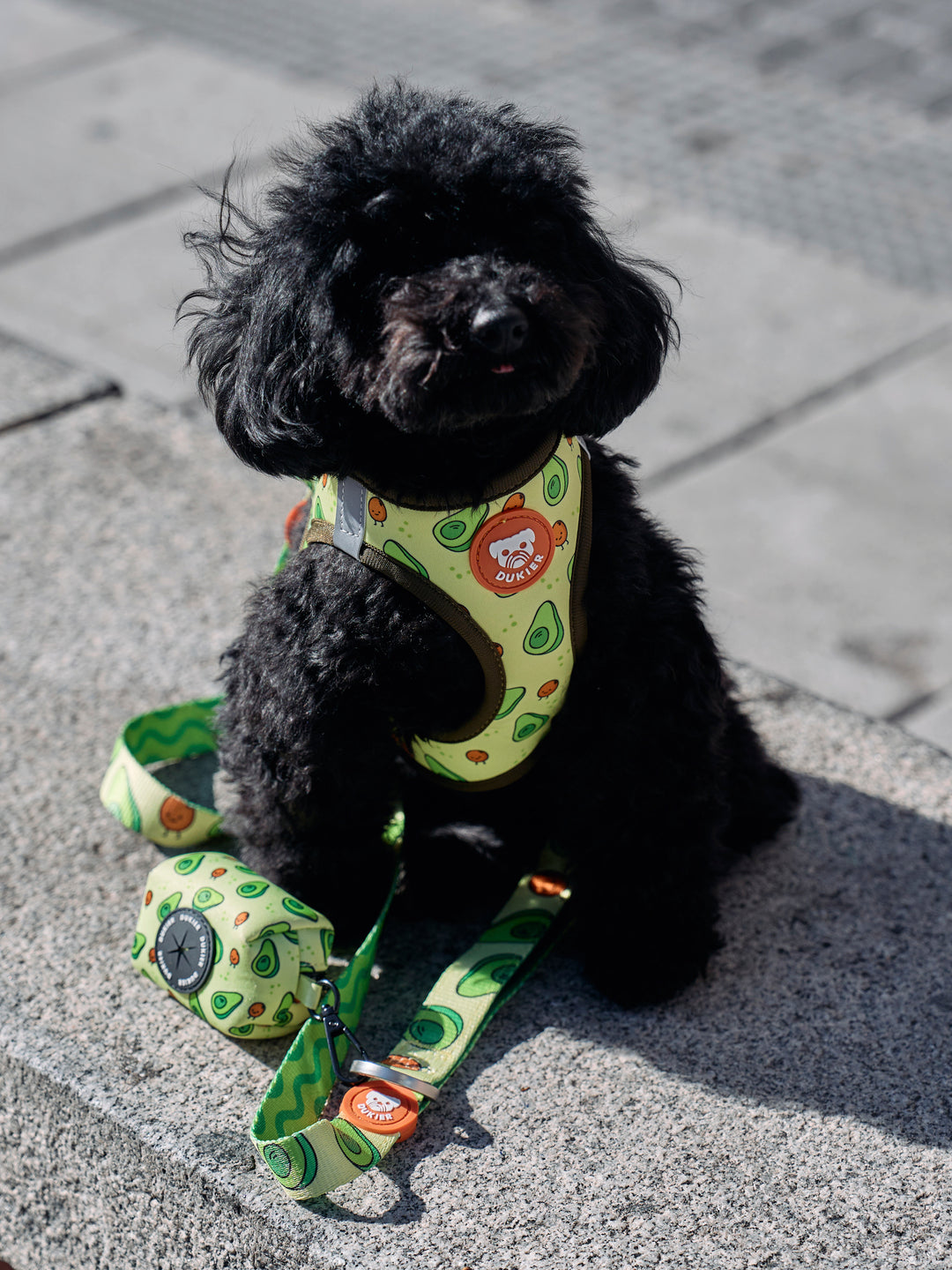
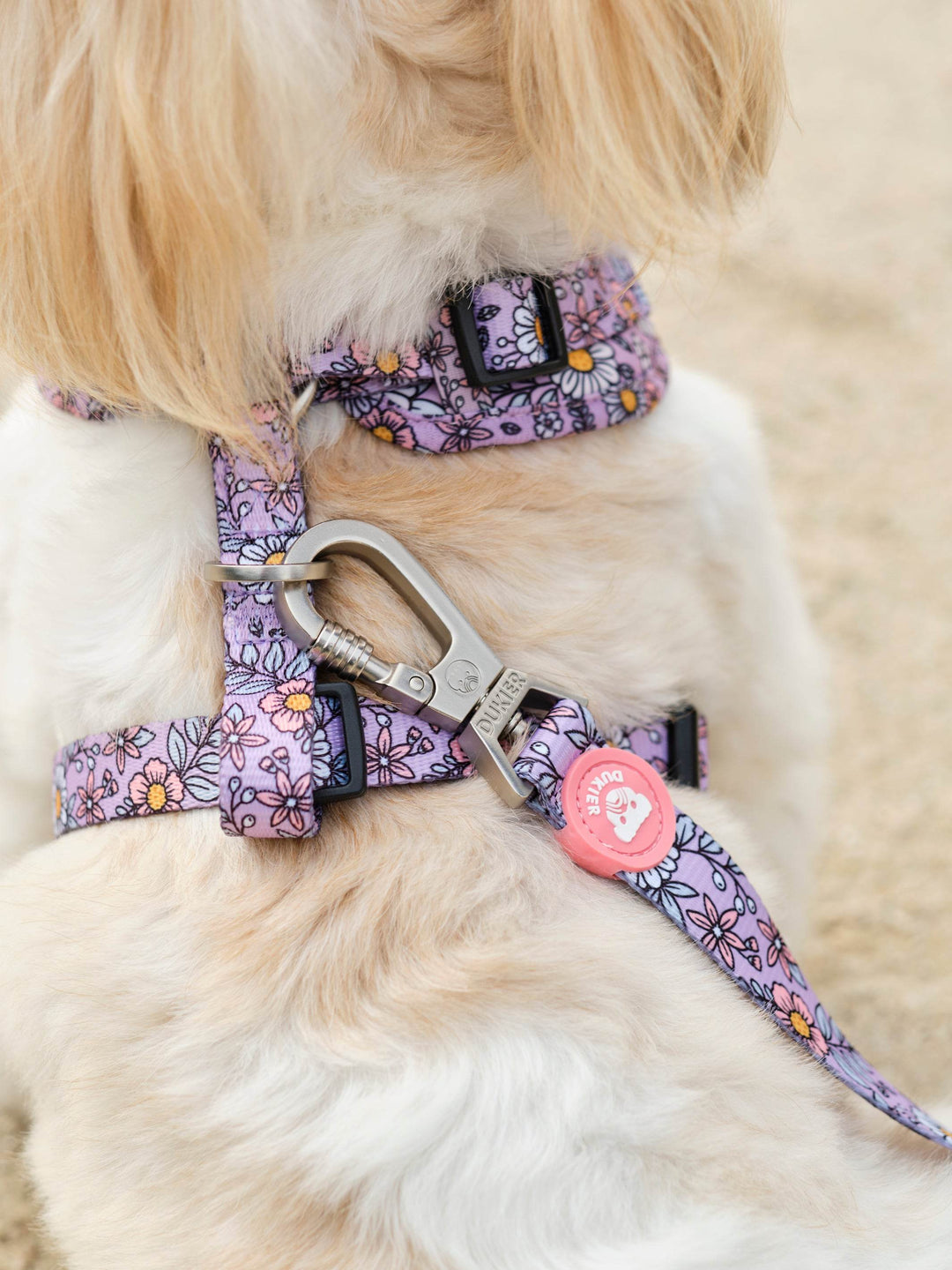
The accessories your furry one wears during the trip matter too, such as a tough harness and lead to give you better control and stop your dog running off. Dukier's TRAIL harnesses are perfect for travelling, as they are tough and hard-wearing. The inside is lined with breathable, adjustable mesh to keep furry ones comfy, and it also has an extra grab ring at the neck to prevent any tugging.
Ask your vet
Before any trip, ask your vet to make sure your dog is fit to travel and to get advice on how to handle stress or any potential health problem, and make sure his passport is up to date.
Get your furry one used to the carrier
If you are travelling by public transport, you should know that your furry one has to travel in a carrier. Start getting him familiar with it at home before the trip, as it is compulsory on most forms of transport. To get your dog used to the carrier, you can start by leaving it out in a shared room a few days beforehand, somewhere he usually spends time. That way he can come over and sniff it at his own pace. Try to get him to link it with something nice, too: you can give him a snack every time he goes near the carrier, and he will feel more and more comfortable with it.
Once he comes over to it happily at home, start by putting the carrier in the parked car, where your furry one usually sits. The first few times, do not shut the door, so he can get in and out easily. Once he is used to it, you will be able to make longer trips with complete peace of mind.
What is more, depending on the form of transport you choose, there are different things to bear in mind to make sure your furry one travels safely and comfortably. Here are some tips for travelling with your dog by car, train, plane and boat:
Travelling by car. It is the best option for your dog
Secure your dog
For everyone's safety, it is crucial that your dog is properly secured. Use a dog seat belt or a suitable carrier. This not only prevents distractions, it also protects your pet if you have to brake sharply or have an accident.
Stop often
Plan stops every two or three hours so your furry one can move about, have a walk, drink some water and go to the toilet. It will cut his stress and make the journey more pleasant for you both.
Never leave your dog on his own
Never leave your dog alone in the car, especially on hot days. Temperatures inside a vehicle can shoot up quickly and cause heatstroke. In those situations make sure you keep him hydrated to avoid it, and to prevent dehydration too.
If your dog gets travel sick
If you see your dog getting travel sick, the best thing to do is stop, get out of the car, let him drink a little water (not too much, so as not to encourage vomiting) and let him relax with a short walk. If your dog is not used to car journeys, we recommend getting him used to them bit by bit with short trips linked to something positive, so he gradually gets used to making longer journeys.
As a last resort there are also medicines to prevent travel sickness, although you will need to talk to your vet so they can prescribe the most suitable treatment.

Travelling by train
Book in advance
Some rail companies require bookings for dogs. Make sure you check the pet policy and book in advance to avoid any nasty surprises. On the train our furry one can travel with us without any trouble, and the travel policies get better year after year. But always make sure you meet all the restrictions and take the right carrier.
Use a carrier
It is compulsory to carry your furry one in a carrier with every rail company. Trains can also be noisy and stressful for dogs. A suitable carrier can give them a safe, comfortable space and ease their anxiety.
Take his paperwork
It is really important to always carry your furry one's vaccination and health paperwork with you, as rail companies usually ask for it before letting you board.

Travelling by plane
Check with the airline
Every airline has different policies for travelling with pets. We strongly recommend checking each company's restrictions and avoiding altogether any airline where your furry one has to travel in the hold, as it is a very high risk for your dog and could turn into a traumatic experience for him.
Get an approved carrier ready
For plane journeys with your dog you will need a carrier, and you must make sure it is approved by the airline. Check that it is big enough for your furry one to move around comfortably too.
Think about your dog's health
Before flying, ask your vet to make sure your dog is fit to travel. Some breeds, especially brachycephalic ones, can have trouble breathing at high altitudes.

Travelling by boat
Choose a suitable carrier
On a boat, it is important that your dog has a safe place to rest. A carrier can give him a quiet refuge away from the bustle of the boat
Check the ferry's policies
Some ferry companies have specific areas for pets or let dogs stay in the vehicles. Check the policies before you travel so you can plan everything properly.
Protect your dog from the sun
If you are travelling on an open-deck ferry, make sure your dog has access to shade and fresh water to avoid dehydration and heatstroke.

Lastly, another public transport option is travelling by coach. We are not going to go into much detail here, because we do not recommend travelling by coach with a dog given the restrictions every company has at the moment.
Travelling with your dog can be an incredible adventure if you are well prepared, as you will be able to avoid any difficulties. Follow these tips and you will have a safe, enjoyable trip for your furry one.
Get everything ready so your holiday with your furry one is one of a kind!