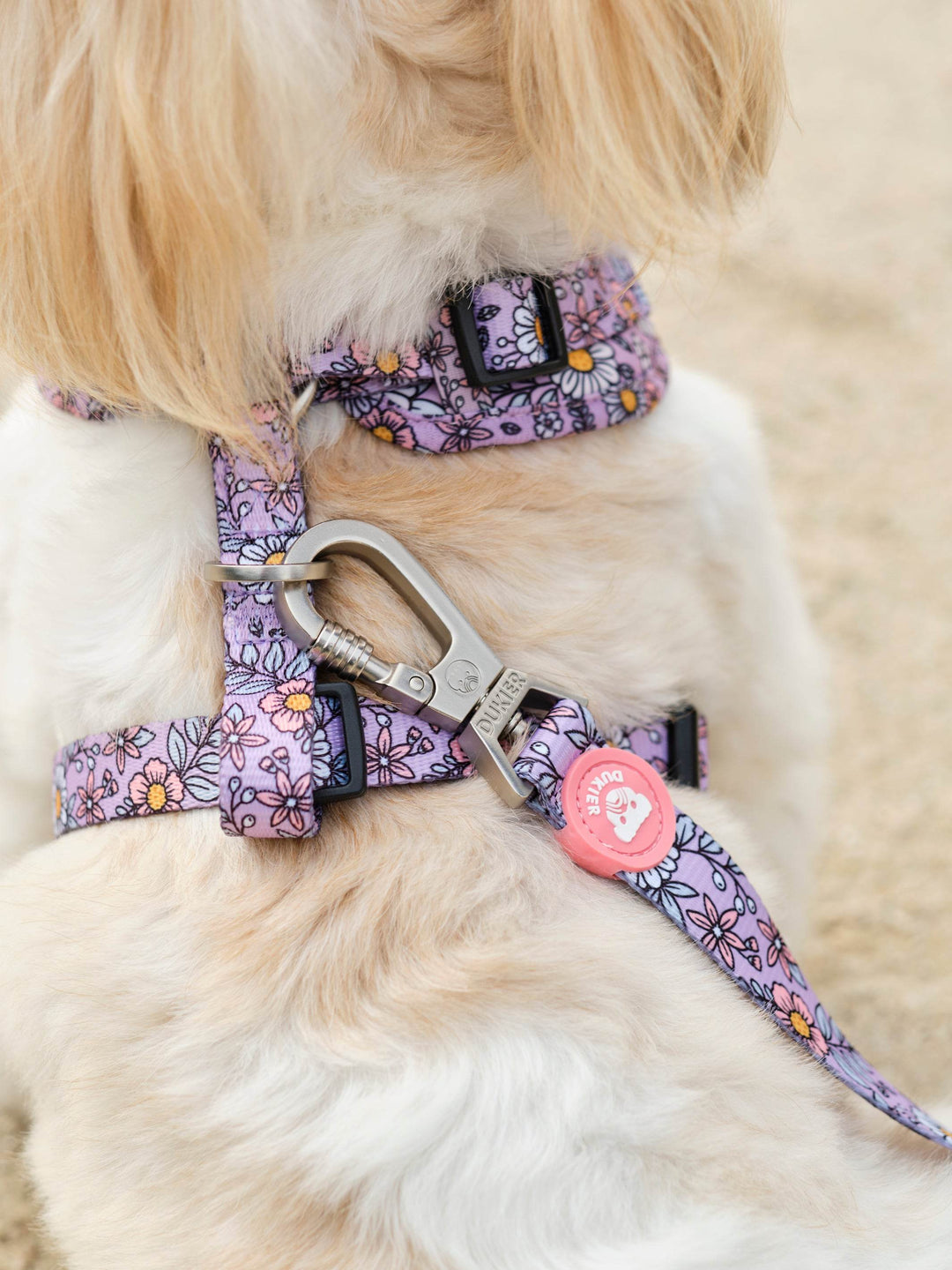




My dog doesn't want to wear a harness: causes and solutions
Taking your dog for a walk should be a happy moment for both of you, but what happens if your furry friend hides, seems uncomfortable, or even becomes aggressive when you try to put the harness on? This problem is more common than you think, and luckily, it has a solution.
In this article, we explore the most common reasons why dogs reject the harness and how to help them overcome this challenge in a positive way.

Why do some dogs reject the harness?
There are several reasons why your dog might not want to wear a harness. Identifying the problem is the first step to solving it:
-
Distrust of objects passing over the head:
For some dogs, having something pass over their head can be an uncomfortable experience. It's a sensitive area they prefer to protect, and the harness can make them feel vulnerable. -
Negative associations:
If your dog had a bad experience with a harness, such as a pinch when putting it on or a stressful moment while wearing it, they may now associate it with something negative. -
Discomfort or incorrect fit:
A harness that doesn't fit your dog's body properly can cause discomfort, chafing, or even pain. This makes them reject wearing the accessory. -
Sensitivity to materials:
Some dogs have allergies to certain fabrics or dyes used in harnesses. This can cause skin irritation, especially in areas like the armpits or belly. -
Fear of leaving the house:
Although less common, some dogs reject the harness because they associate it with leaving their comfort zone.
How to get your dog used to the harness step by step
Helping your dog accept the harness requires patience and a positive approach. Follow these steps:
-
Introduce the harness in a calm environment:
Leave the harness near your dog so they can sniff and inspect it. Use treats and cuddles to associate it with something positive. -
Reward every interaction:
Every time your dog approaches or lets you touch them with the harness, reward them with their favourite snack. -
Put it on gradually:
Practise putting the harness on little by little, first passing it over their neck without fastening it. Gradually increase the time until they feel comfortable. -
Make it part of their routine:
Use the harness for activities they enjoy, such as walks or games. This will help reinforce the positive association. -
Avoid forcing it:
If your dog resists, don't insist. Give them time and try again later.
Solutions for common harness problems
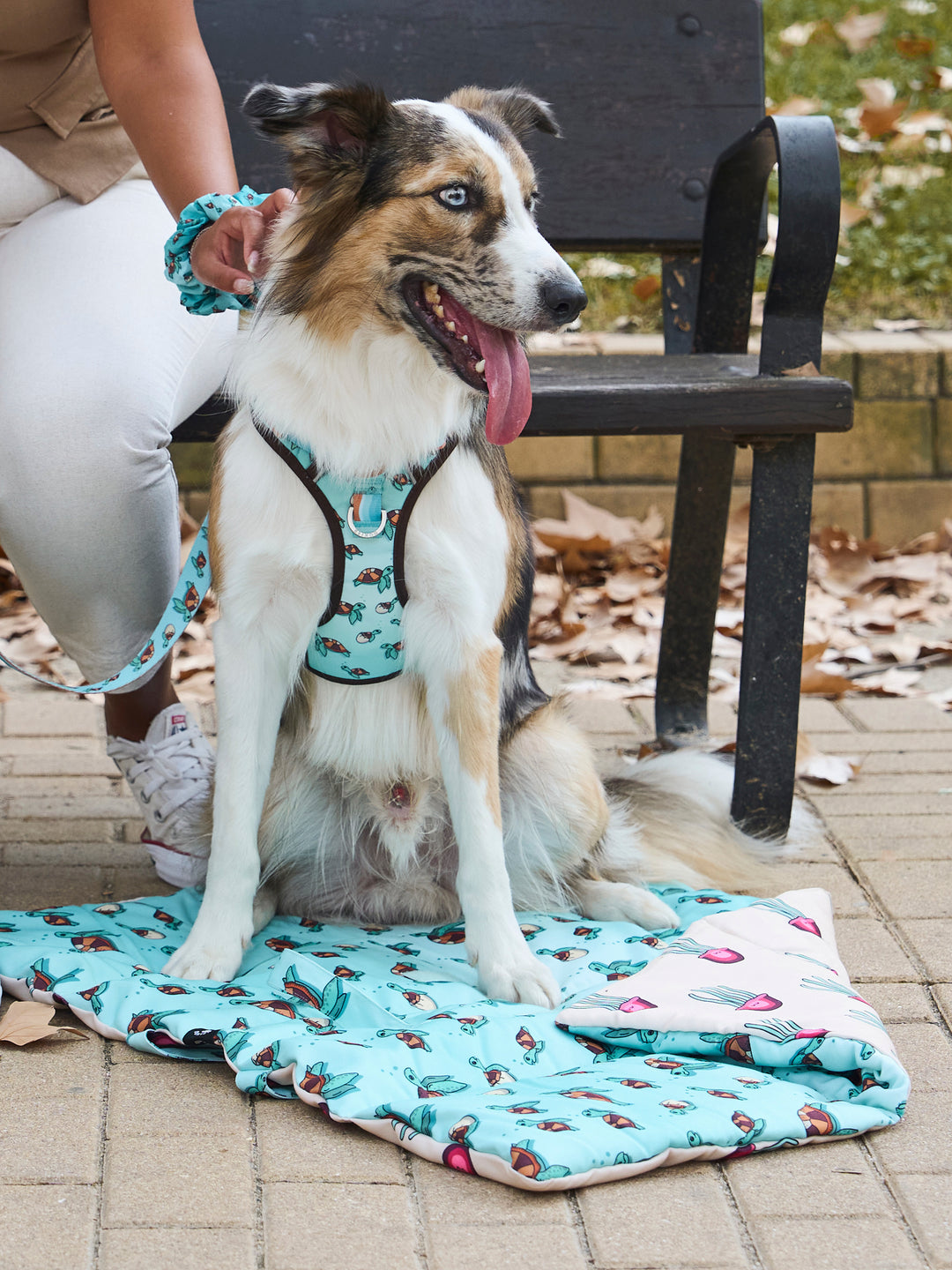
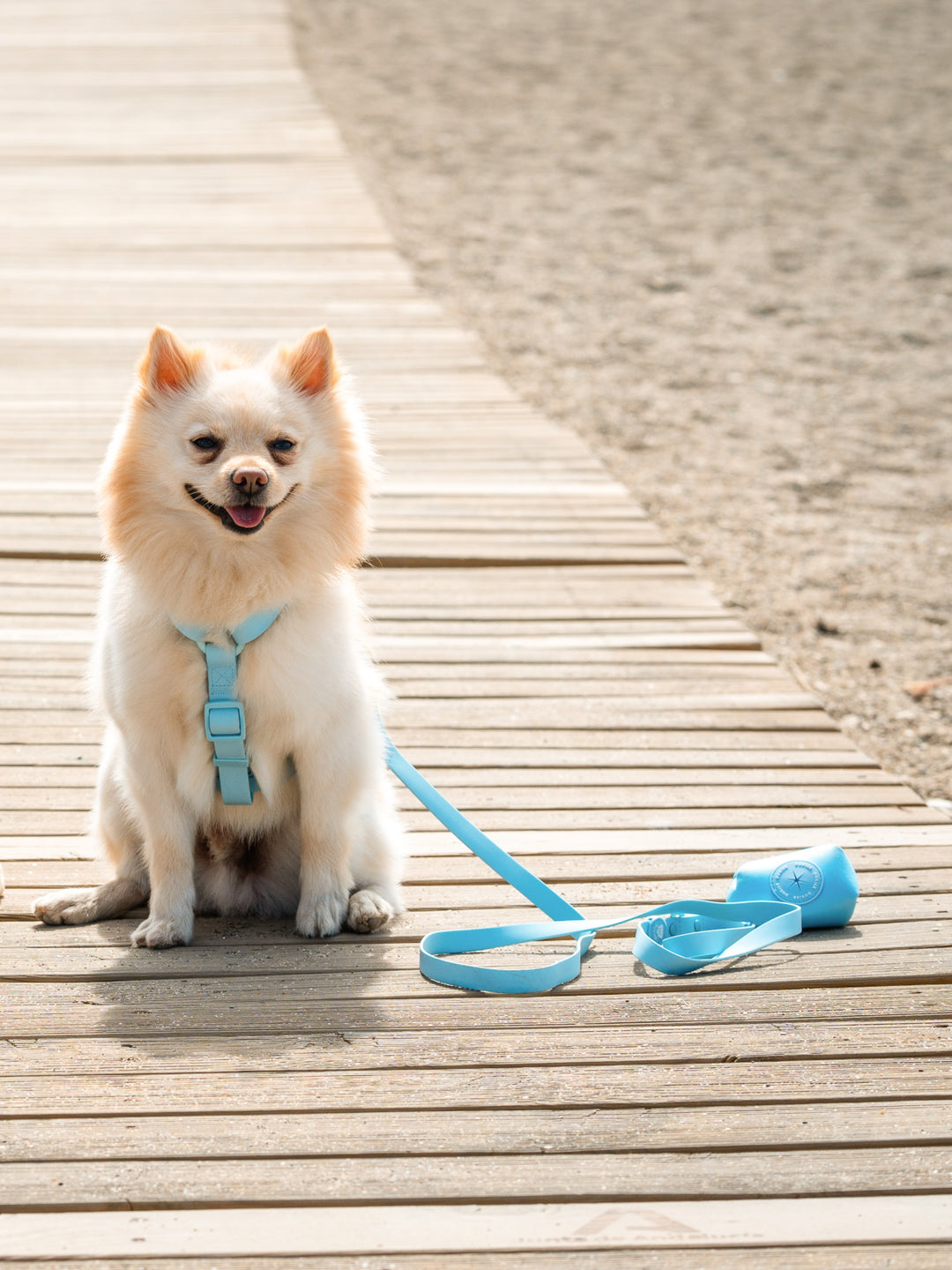
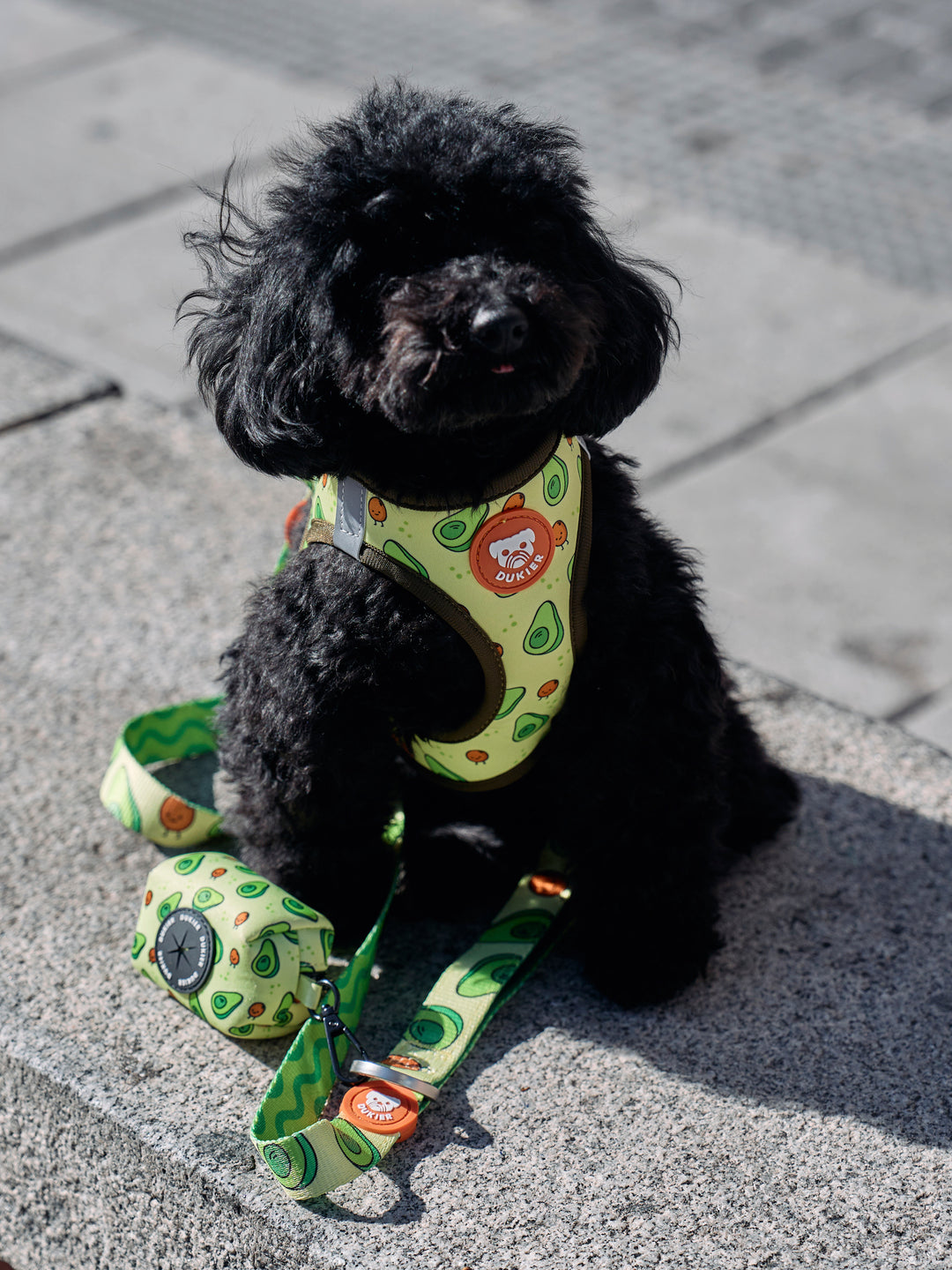
- Proper design and size: Make sure to choose a harness that fits your dog's body correctly and doesn't cause discomfort. DUKIER's dog harness collection offers ergonomic, adjustable designs to ensure your furry friend's comfort.
- Alternatives for sensitive dogs: If your dog can't tolerate something passing over their head, opt for a harness with side fastenings that doesn't require this step. Like the Body harnesses, they don't go over the head and are put on through the front legs.
- Consult professionals: If the problem persists, seek help from a trainer or vet to identify the exact cause and work on a personalised solution.

Comfortable and practical harnesses to make the process easier
At DUKIER, we design harnesses that combine style, functionality and comfort for all types of dogs. Our harnesses are made with soft, durable materials, preventing chafing and ensuring a perfect fit.
Explore our harness collection and find the ideal model so your dog can enjoy every walk without any hassle.
Give your dog the comfort and confidence they need
Just because your dog rejects the harness doesn't mean you can't fix it. With patience, positive reinforcement and the right harness, you can help them overcome their fears and enjoy happy walks together.
At DUKIER, we're here to help you make every walk a positive experience. Discover our range of harnesses designed to ensure your furry friend's comfort and wellbeing. Make walk time the best part of the day for both of you! 🐾