



How to Stop Your Dog from Pulling on the Lead
Does every walk feel like an obstacle course because your dog just won't stop pulling on the leash? Don't worry, you're not alone. Many pet parents face this issue, but with patience, consistency and a few effective tricks, you can teach your dog to walk calmly without pulling.
In this article, we'll explain why this behaviour happens, how to correct it and what tools can help you.
Why does my dog pull on the leash?
Before looking for solutions, it's important to understand why your dog pulls:
-
Excitement and eagerness: going for a walk is one of their favourite moments, so their enthusiasm can lead them to walk faster than you.
-
Lack of training: many dogs haven't learnt to walk properly on a leash.
-
Desire to explore: smells, sounds, people, other dogs... everything catches their attention.
-
Unintentional reinforcement: if you follow them when they pull on the leash, they learn that this behaviour works.

Techniques to stop your dog from pulling on the leash
1. Practise at home or in a controlled environment
Start in a quiet place with few distractions. Teach your dog to walk by your side, rewarding them with treats or cuddles whenever they keep the leash loose.
2. Stop when they pull
If your dog starts pulling, stop completely. Don't move forward until the leash is loose again. This way, they'll understand that pulling gets them nowhere.
3. Reinforce good behaviour
Every time your dog walks without pulling, praise them enthusiastically. You can use treats, toys or kind words as a reward.
4. Use the right leash
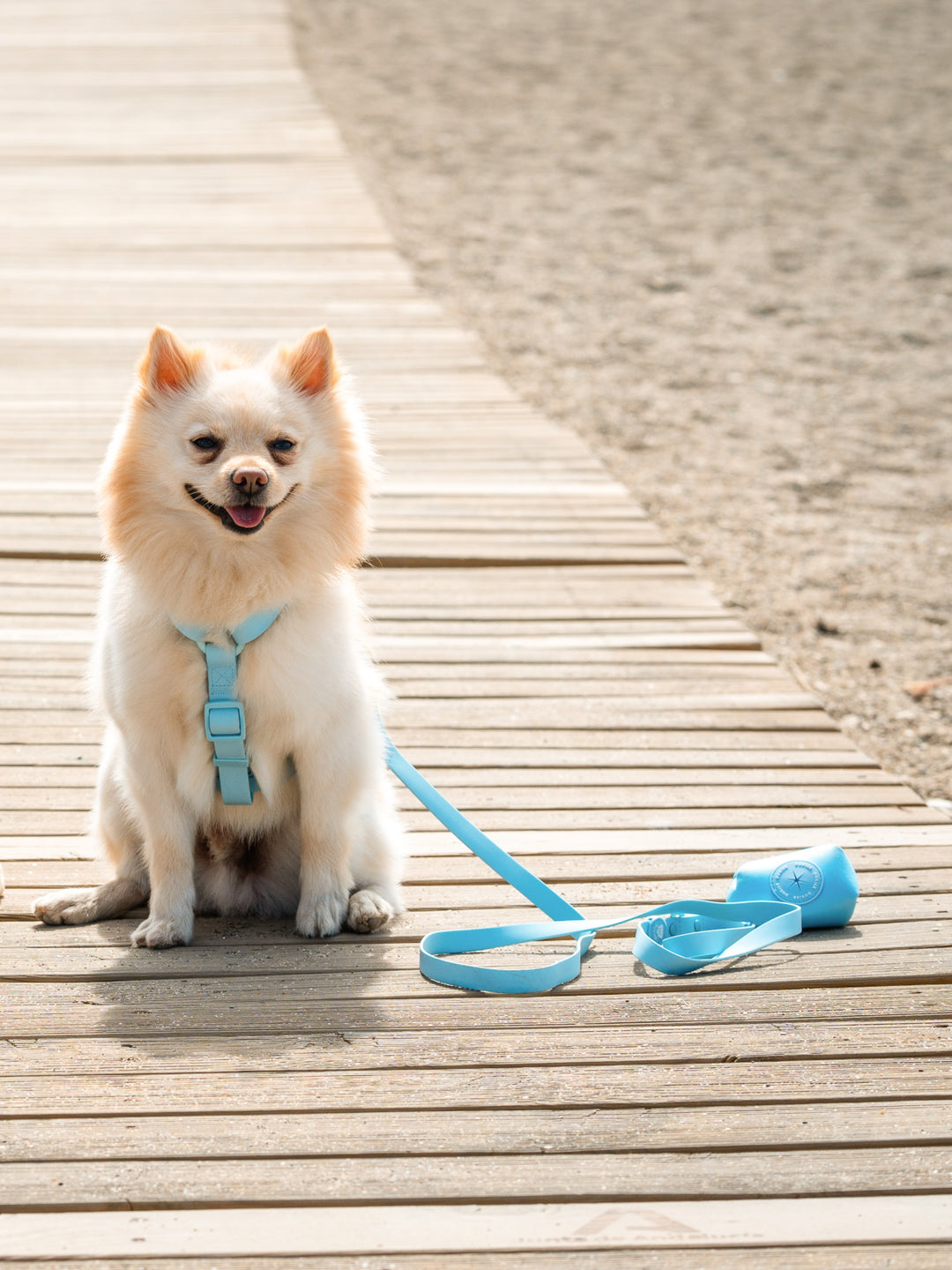
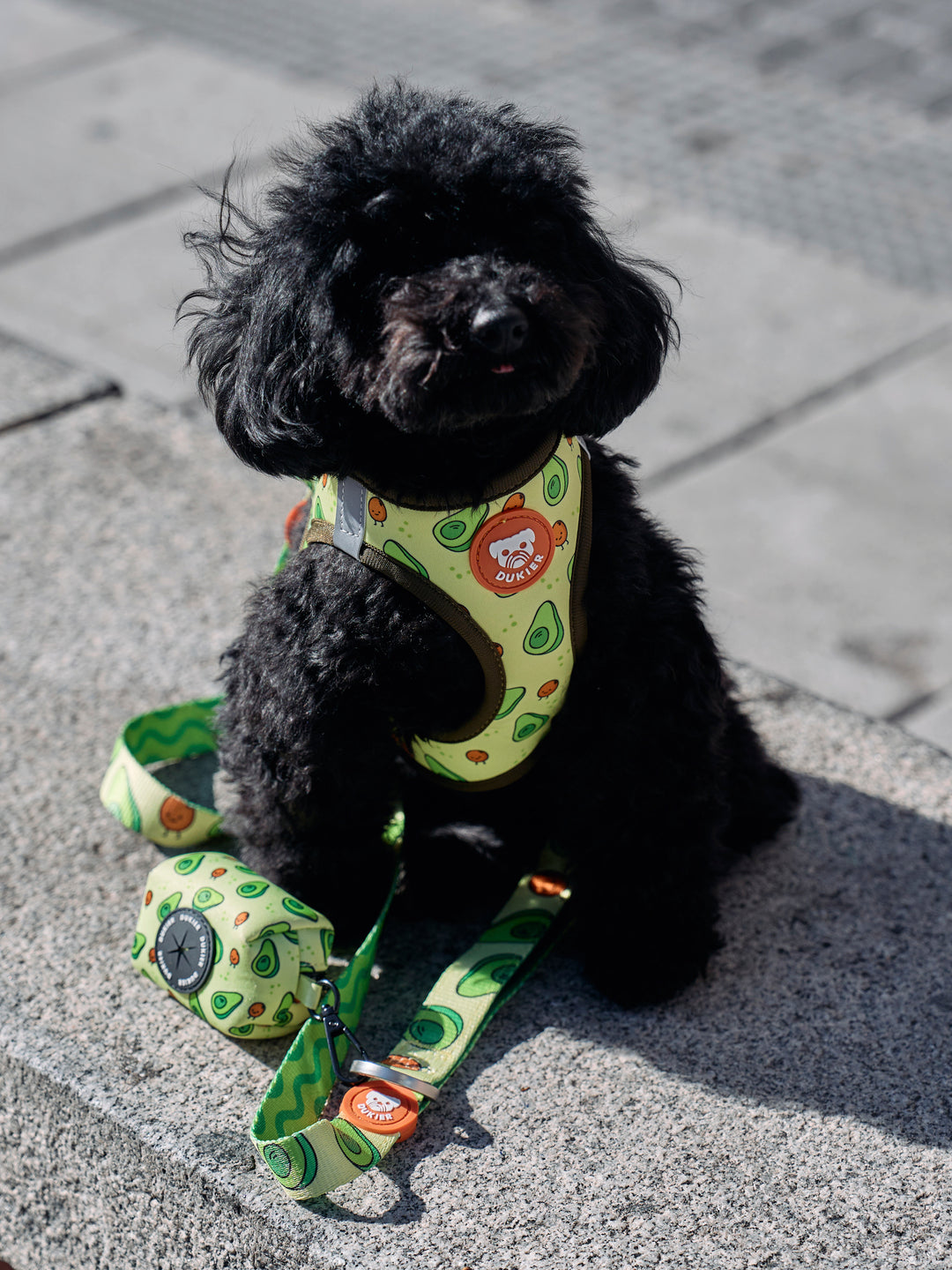
A good leash is key to a comfortable walk. Avoid retractable leashes, as they encourage pulling. Instead, choose dog leashes that are sturdy, comfortable and suited to your pet's size. At Dukier, we have ergonomic models with unique designs that improve control and safety during walks.
Walking tips: how to teach your dog not to pull with the right harness
Besides the leash, the harness you use can make a huge difference in your dog's behaviour during walks. Here are a few tips:
-
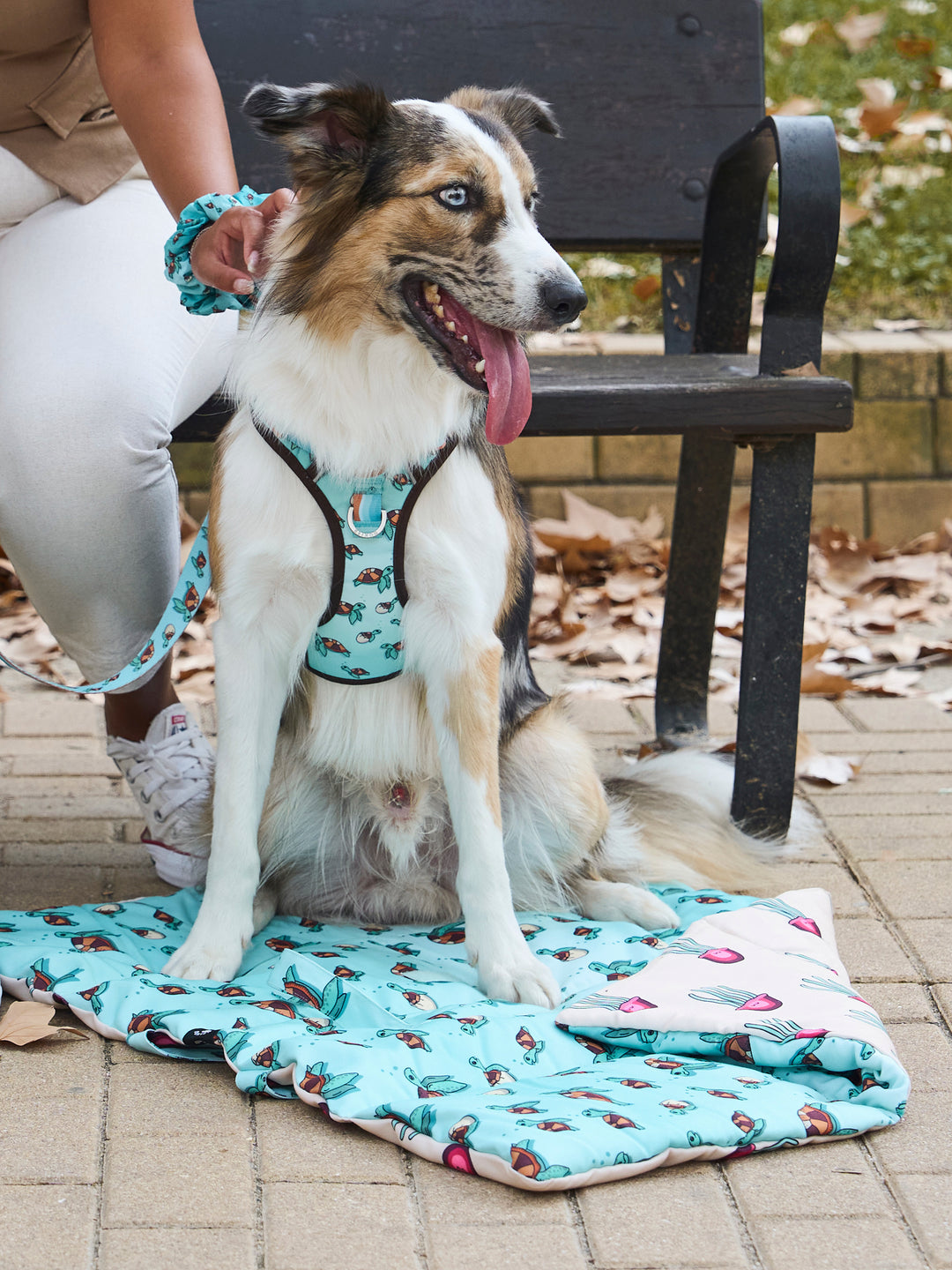
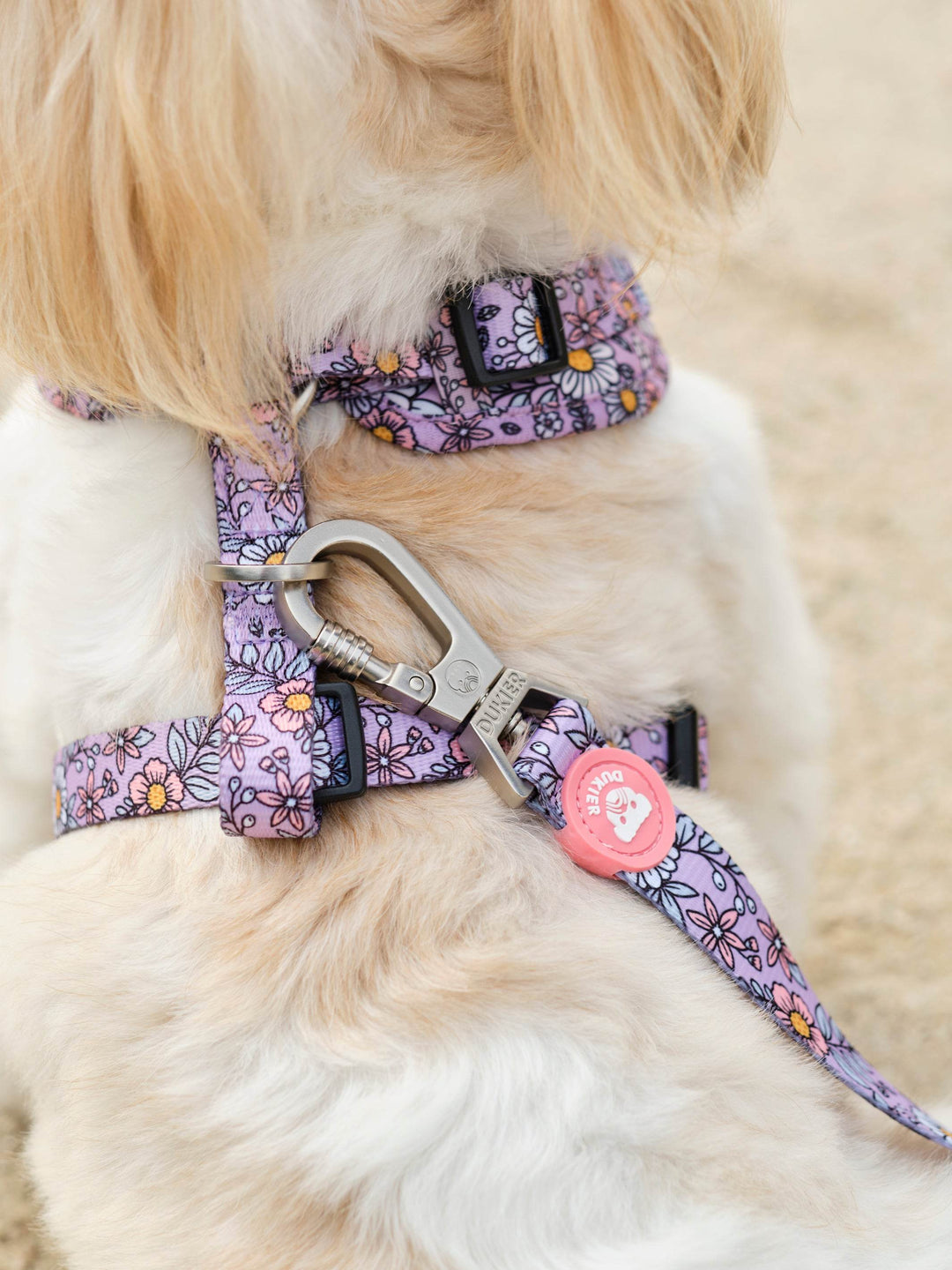
Choose an anti-pull harness: this type of harness distributes pressure evenly, preventing your dog from feeling the need to charge ahead. Some even have front clips that help redirect their attention towards you.
-
Avoid collars that could cause harm: choke or prong collars can be harmful and don't solve the underlying problem.
-
Fit the harness properly: it should be snug but not tight, allowing your dog to move freely without being able to slip out.
-
Combine the harness with positive training: a good harness alone isn't enough; it should be paired with practice, positive reinforcement and plenty of patience.
Choosing a good harness can be the first step towards your dog enjoying walks without anxiety or pulling.
Tools that can help you
-
Anti-pull harnesses: distribute pressure better and prevent damage to the neck.
-
Clicker: to reinforce positive behaviours with a specific sound.
-
High-value treats: such as pieces of cooked chicken, which will keep their attention.
All these tools, when used properly, can help you reinforce learning in a positive and effective way.

Patience and consistency: the key to success
Teaching your dog not to pull on the leash takes time and consistency, but the results are worth it. You'll turn walks into relaxed, enjoyable moments for both of you.
Remember: it's not about imposing, but about teaching with love, respect and plenty of communication.
Ready to enjoy calm walks with your dog? Start today with some simple training, choose a good harness and the perfect leash for your dog to improve the experience. At Dukier, you'll find functional designs bursting with style that make every walk one of a kind.